
Ask a Gen Z creative what phone they use and you might hear a name that still sounds “niche” to a lot of adults: Nothing.
Launched in 2020 by Carl Pei, Nothing makes headphones and smartphones, but the real product they’re selling is a feeling: being part of a cool, creative, slightly rebellious community. Instead of trying to beat Apple or Samsung on specs alone, Nothing built a brand that speaks directly to Gen Z’s identity, aesthetics, and lifestyle.
Here’s how they’ve done it – and what other brands can learn.
1. A phone that looks like it belongs on Pinterest, not just in a tech review
For Gen Z, tech is part of the outfit. Nothing leans into this hard with its transparent hardware and signature LED “Glyph” lights on the back of the phone. It’s instantly recognizable across a room or in a mirror selfie. You don’t have to see the logo to know it’s a Nothing device.
Nothing’s design is basically built-in marketing. Every unboxing video, outfit pic, or “what’s in my bag?” post quietly turns into an ad without feeling like one.
2. Speaking to creators, not just “consumers”
Nothing never really tried to be “for everyone.” The way it positions itself, this is the brand for people who make things: DJs, photographers, graphic designers, fashion kids, gamers, and content creators.
That shows up in the choices they make:
- Collaborations and visuals that feel closer to streetwear and fashion than traditional tech.
- Launch campaigns that look like drops, not corporate product announcements.
- A brand voice that talks to you like a peer, not like a brochure.
Gen Z spots the difference quickly. They’re more likely to back a brand that says, “We get your lifestyle and we’re here to help you create,” instead of, “Here’s our new processor.”
3. Building in London
Carl Pei built the company out of London for its design and branding energy.
That decision actually matters to Gen Z:
- London is associated with music, fashion, and art scenes, not just tech.
- It gives the brand a “global but alternative” feel – not U.S.-centric, not corporate.
To Gen Z, location becomes part of the story. It signals the culture you’re plugged into. Nothing is basically saying, “We’re in the same world as your favorite creatives, not just your phone carrier.”
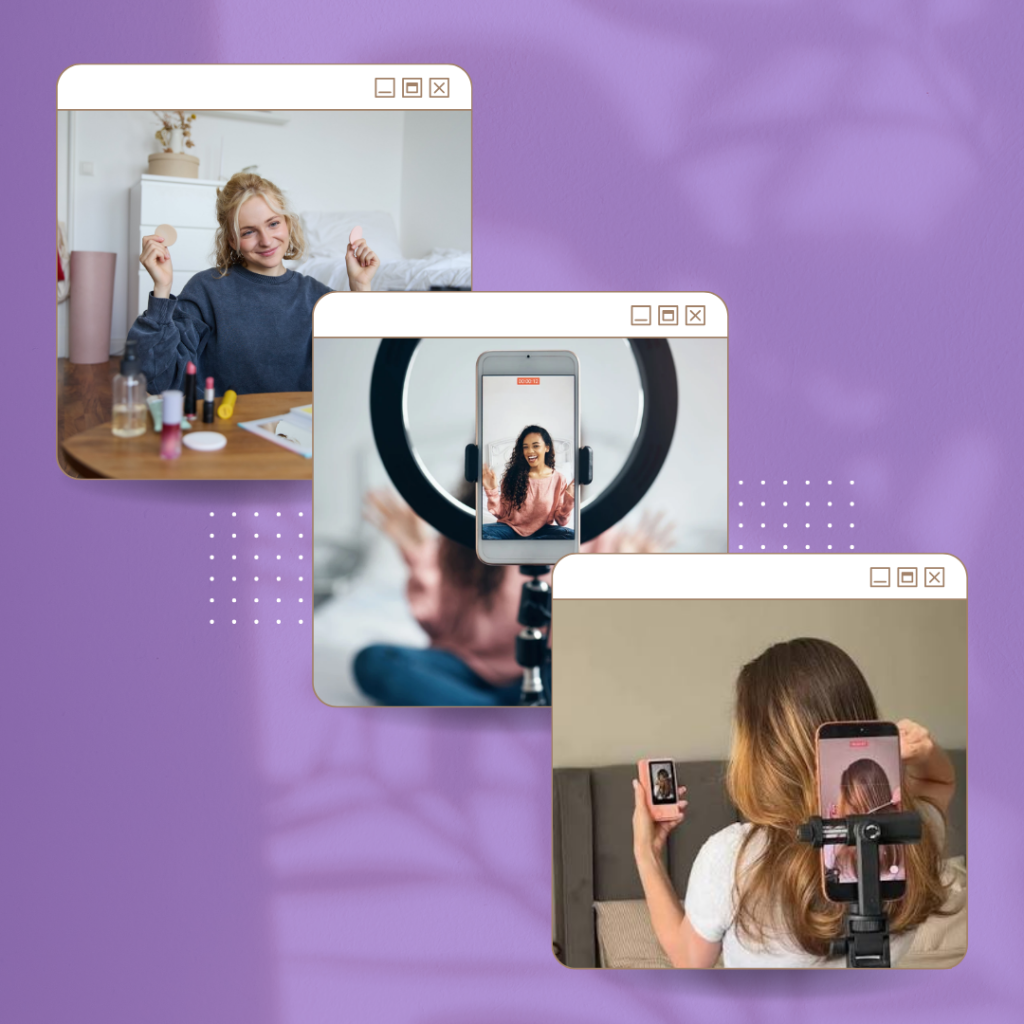
4. Designed for TikTok, Reels, and IG stories first
A lot of brands still make content and then ask, “How do we repurpose this for social?” Nothing flips that: the product, visuals, and assets are clearly designed with social in mind from day one.
Think about how their phones show up on camera:
- The transparent back and glowing lights catch the eye in under a second.
- The minimal, high-contrast design reads clearly even on a small screen.
- Their content feels native to the feed, not like a banner ad pushed into your scroll.
That matches how Gen Z discovers and evaluates brands. They don’t start on official websites; they start on TikTok and Instagram. If you don’t look good there, you almost don’t exist.
- FOMO, drops, and the “if you know, you know” factor
Nothing has leaned into waitlists, limited availability, and hype-driven launches. For Gen Z, that “I got in early” feeling really matters. It’s the same psychology behind sneaker drops or limited-edition collabs.
This kind of rollout:
- Makes the brand feel like a club, not a commodity.
- Creates an “IYKYK” signal: having a Nothing phone says something about your taste.
6. Global, multicultural by default
Even though Nothing is based in London, the brand doesn’t feel tied to one culture. Its visual language is minimal and graphic, its campaigns are social-first, and its community is spread across cities like London, Delhi, São Paulo, and New York.
That lines up with how multicultural Gen Z actually lives:
- They move across languages and cultures daily.
- Their online communities are global, not local.
- They care more about shared tastes and values than a single national identity.
Nothing taps into that by offering a look and feel that reads as “global cool” instead of “this belongs to one country.”
What brands can learn from Nothing’s Gen Z playbook
You don’t need to make a transparent smartphone to apply this strategy. For brands trying to reach multicultural Gen Z, here are a few key lessons from Nothing:
- Lead with visual identity. Ask yourself: would someone recognize us instantly in a selfie, or in a quick scroll, even without seeing our logo?
- Pick a specific Gen Z lane. Are you talking to student leaders, young parents, gamers, artists, first-gen college students? Focus like Nothing did with creatives.
- Make everything social-native. Design products, experiences, and events so they automatically look good and feel authentic on TikTok and IG, not just in a polished TV spot.
- Use community mechanics. Waitlists, early access, limited drops, and insider newsletters build the “I’m part of this” feeling Gen Z craves.
- Think globally, speak culturally. Build a brand world that can travel—rooted in real culture, not just translated copy.

Gen Z is not just buying functionality; they’re buying identity. Nothing understands that, which is why a relatively small challenger brand is showing up everywhere on their feeds.