
Valentine’s Day is celebrated in countless ways all around the world, from grand romantic gestures to small, heartfelt and personal acts of love. For brands, it’s more than just an opportunity to sell, it’s an opportunity to connect emotionally with audiences, build loyalty, and celebrate relationships in meaningful and heartfelt ways. But what works in one country may fall flat in another. That is why it is important to understand cultural nuances in hopes of driving marketing campaigns that truly resonate. For today’s marketing lesson we are taking a trip around the world and seeing how different cultures impact marketing campaigns and why it is important to not view marketing as a one size fits all approach.
Take Japan, for example. Valentine’s Day isn’t just about women receiving gifts, it’s a two-way celebration where men are repaid for their generosity with gifts on “White Day.” Brands that succeed in Japan create campaigns that honor tradition while adding modern twists, from artisanal chocolates to personalized gift sets. It is important for marketers to be aware of culture nuances because ”Whites Day” is celebrated on March 14th, so by being well informed and understanding your audience’s culture you are able to provide a more relevant and heartfelt experience catering to the separate audiences on both February 14th as well as on March 14th. Krispy Kreme is a brand that highlights how being culturally aware can make your audiences experiences more enjoyable and personal. Krispy Kreme hosts a hands on White Day donut decoration workshops where customers could create their own gift treat. This turns a product into an experience and gives couples the opportunity to enjoy not just a personal product but a fun and sincere experience.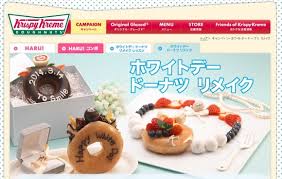
Similarly, in South Korea, Pepero Day is a celebration of love and friendship shared among friends, family, coworkers, and loved ones. Observed on November 11th, the holiday has grown even more popular than Valentine’s Day and is now one of the most heavily marketed celebrations in the country, often surpassing Valentine’s Day in overall sales. Many campaigns lean into a quirky, playful tone, highlighting heart themed treats especially Pepero sticks, the long, cracker-like snacks coated in chocolate and various toppings that have become the symbol of the day. Many corporations, particularly Lotte Wellfood, have amplified Pepero Day through endorsements from global K-pop acts like Stray Kids. With their enormous international fanbase, Stray Kids help transform the holiday into more than just a shopping moment. By promoting both Pepero Day and Lotte Wellfood products, they create genuine excitement and engagement within their fan community, turning seasonal marketing into a cultural experience that feels personal and authentic to fans.
Meanwhile, in Latin America, Día del Amor y la Amistad is celebrated on February 14th and honors both romantic and platonic love. This holiday gives brands the opportunity to create messaging that embraces all types of connections, not just couples or traditional romantic relationships. By recognizing friendships, family bonds, and meaningful relationships beyond romance, brands are able to expand their reach and connect with a broader audience in a way that feels more inclusive and authentic. Unlike  Valentine’s Day in the United States, which is typically observed in a more intimate, couple focused setting, Día del Amor y la Amistad is often celebrated in group settings, emphasizing community, friendship, and shared experiences. Hershey’s does a great job of showcasing what happens when brands truly listen to their audience. Through its campaign, “Comparte Algo Dulce” (Share Something Sweet), Hershey’s offered customizable chocolate wrappers in select Latin American markets. What could have been just a simple chocolate gift was transformed into something personal and meaningful. By allowing customers to add names or messages, the brand turned an everyday product into a thoughtful gesture that could be given to anyone, whether a partner, a friend, or a family member.
Valentine’s Day and its global variations remind us that love may be universal, but the way it is expressed is deeply cultural. From Japan’s two-step celebration with White Day, to South Korea’s playful Pepero Day campaigns, to Latin America’s inclusive Día del Amor y la Amistad, each tradition highlights the importance of understanding your audience before launching a campaign. Brands that take the time to learn cultural nuances, adapt their messaging, and create experiences that feel personal rather than generic are the ones that truly stand out. Marketing should never be viewed as a one-size-fits-all strategy. When brands approach global holidays with awareness, creativity, and authenticity, they don’t just drive sales, they build meaningful connections that resonate far beyond a single day.