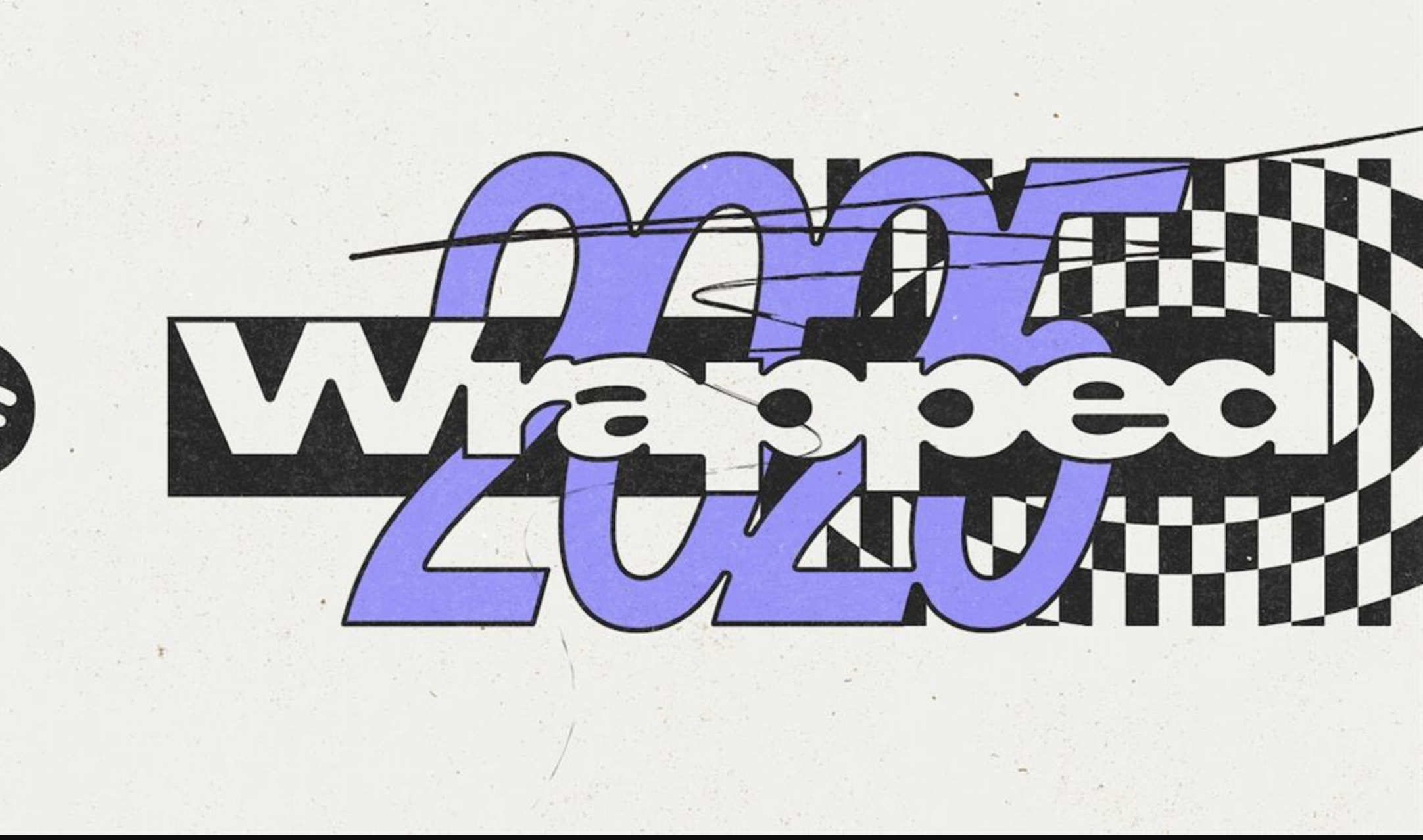
Every December my feed turns into the same exact thing. Bright Spotify colors, slides of top artists, dramatic screenshots of “that one song” people swear they did not overplay, and everyone pretending they are not a little embarrassed by their own music taste. That is the power of Spotify Wrapped. On the surface it is just a yearly recap of what you listened to. Underneath, it is one of the smartest marketing plays out there because Spotify took something that should be boring, which is raw data, and turned it into a moment people are excited to promote for them for free.
What Spotify Wrapped actually is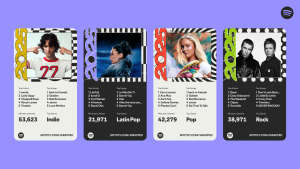
Spotify Wrapped is basically a yearly mirror of your listening habits. It shows you your top artists, top songs, favorite genres, how many minutes you listened, and a few fun extra details depending on the year. It only appears once a year at the end of the year, and it lives inside the app, but the real magic happens the second people start screenshooting and posting those slides everywhere. Overnight, Instagram stories, TikTok, and Twitter turn into one giant Spotify ad, but it does not feel like an ad because people are not saying “look at Spotify.” They are saying “look at me.” That is already the first lesson. When a campaign is built around the user instead of the brand, it travels on its own.
Turning data into identity instead of a spreadsheet
Most apps collect data quietly in the background. Spotify is one of the few that turns it into something people actually want to see. Wrapped works because it feels less like a report and more like a personality test. The stats are not framed as “you listened to this many songs.” They are framed as “you are this type of listener.” You are in the top one percent of a certain artist. You are the person who had this one sad song on repeat at two in the morning. You are the friend who lives in a very specific genre. People are not just posting numbers; they are posting a version of themselves.
The structure makes it even better. Wrapped does not dump everything on one page. It walks you through a little story. You tap through slide after slide and there is a hook, a build up, a surprise, and then the big reveal of the artist or song you did not expect to be at the top. It feels like watching a mini highlight reel about your year in sound. That is what good marketing does. It uses data, but it wraps that data inside a story that feels personal and a little emotional.
There is also room for humor, which is important. People love admitting that their top songs are chaotic. Maybe they went through a breakup. Maybe they were in their gym era. Maybe they were listening to the same three nostalgic songs from middle school. The fun part is laughing at yourself, and Wrapped leans into that. That mix of identity, storytelling, and self drag is exactly why people share it so quickly.
Designed to be shared with almost no effort
Another reason Wrapped works so well is because it is not just interesting, it is built for sharing from the start. The slides are vertical and already the perfect dimensions for stories and short form content. The colors are bold, the fonts are big enough to read, and the layouts look like they were made by a designer, not something you screenshot from a boring stats page.
Most importantly, sharing takes almost no effort. You open the app, tap through your slides, and there are built in buttons to post directly to social platforms. There is no need to crop, edit, or figure out how to make it look good. The shortest path from “this is cool” to “I am sharing this” is built right into the experience. That is a huge lesson for brands. If you want people to share something, you cannot make them work for it. The design has to do half the job before the user even decides whether they feel like posting.
Giving artists their own spotlight too
Wrapped does not only focus on listeners. Artists get their own version that shows how many people listened to them, how many hours fans spent with their music, and how many countries they reached. So while regular users are posting their personal stats, artists are also posting their creator stats and thanking their listeners.
That means the campaign is hitting multiple layers at once. Fans are sharing because it is fun and personal. Artists and their teams are sharing because it is a big public milestone and a way to show growth. That creates a feedback loop. The more artists post, the more fans see Wrapped again and again, and the more they are reminded to go check their own slides and share them too.
What small brands can learn from Spotify Wrapped
You may not be a giant streaming platform, but small brands can absolutely borrow the logic behind Wrapped. The basic idea is simple. Take the data you already have, turn it into a story about your customer, and make it extremely easy to share.
If you are a coffee shop, you could send a little “year in review” email or graphic to loyalty members showing their most ordered drink, how many times they visited, and what time of day they usually come in. If you run an online boutique, you could create a recap of how many orders someone placed, what type of pieces they gravitate toward, and which category they shopped the most. The key is to make it about them and their habits instead of making it a brag about your brand.
The design part matters too. If you want people to share these recaps, they should be simple vertical graphics with clear text, cute visuals, and your branding tucked in nicely. Put the main info in the center, keep the words short and scroll friendly, and leave space so it still looks good when someone posts it on their stories with their own comments over it.
Tone also makes a difference. Wrapped would not hit the same if it spoke in a stiff or corporate way. It works because it is playful and self aware. If a customer ordered the same thing every time, you can call them loyal or consistent in a fun way. If their choices are all over the place, you can gently tease them and call it “main character energy” or “chaos in the best way.” The more it sounds like a friend talking instead of a brand lecturing, the more likely it is that someone will feel proud enough to show it off.
Why this kind of marketing works so well
In the end, Spotify Wrapped hits because it combines three simple things. It is personal, it is fun, and it is built to be shared. It does not feel like an ad, even though it is basically a massive ad that people choose to run for free on their own pages. It reminds users that the app was there during some very specific moments in their year, and it lets them turn that into content about themselves, not just about Spotify.
That is the real lesson. When you know your audience well enough and you are willing to get creative with the data you already have, you can turn something as dry as analytics into a tradition people look forward to. Spotify Wrapped is just data dressed up as identity and nostalgia. Any brand that understands its customers and respects their need to feel seen can create their own version of a Wrapped style moment, even on a much smaller scale.