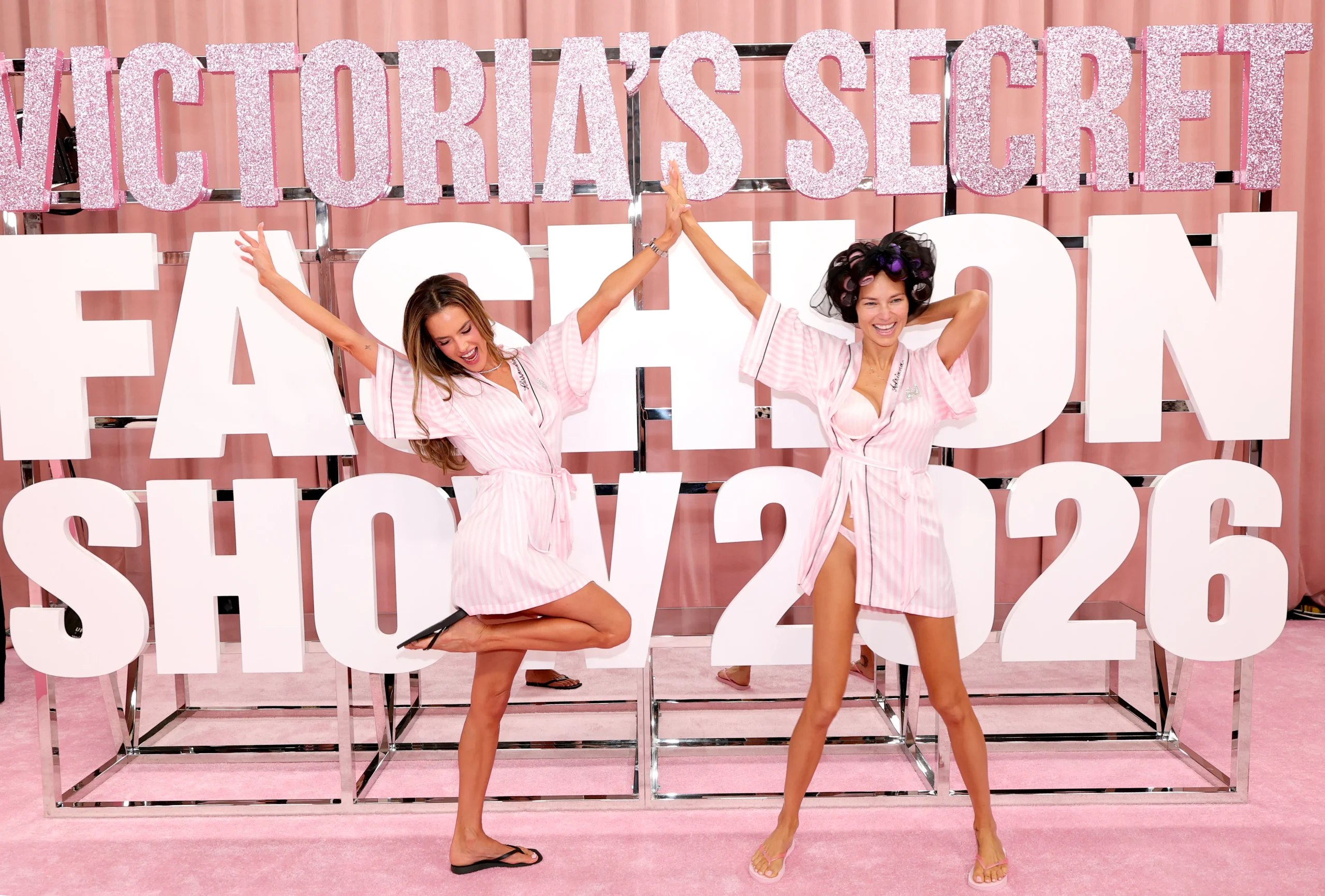
For decades, the Victoria’s Secret Fashion Show was one of the most famous events in fashion. The iconic Angels, extravagant wings, glamorous lingerie, and celebrity performances made the show much more than just a runway event. But the Victoria’s Secret we remember from the early 2000s isn’t exactly the same brand we’re seeing today. The 2026 Fashion Show shows how the brand is trying to keep the glamour that made it famous while adapting to changing beauty standards and what consumers expect today.
The Beauty Ideal That Built an Empire
Back in the 2000s, models like Adriana Lima, Gisele Bündchen, and Alessandra Ambrosio represented the Victoria’s Secret beauty ideal: tall, extremely slim, and seemingly flawless.
The brand wasn’t just selling lingerie. It was selling a fantasy built around a very specific image of beauty, one that most women couldn’t naturally relate to, especially since characteristics like height and body shape are strongly influenced by genetics.
However, as people began questioning unrealistic beauty standards and the lack of body diversity, Victoria’s Secret faced a new challenge: the beauty standards that made the brand famous were also becoming one of the reasons it needed to change.
The 2026 Fashion Show included models of different ages and body types. However, according to an October 2026 Allurereview, fewer than 10% of the show’s 80 models could be considered curvy or plus-size.

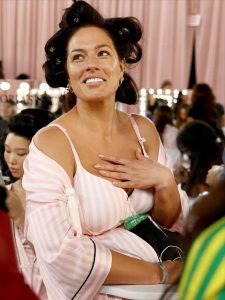
For some viewers, this wasn’t enough diversity. Meanwhile, others missed the traditional Victoria’s Secret image they had grown up watching. The brand was trying to appeal to both audiences, but pleasing everyone wasn’t going to be easy.
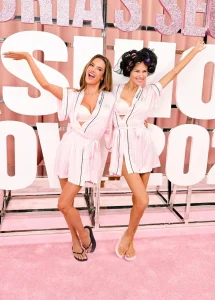
Age diversity was another interesting change. Adriana Lima and Alessandra Ambrosio, both 45 years old, returned to the runway in 2026. Adriana first walked for Victoria’s Secret in 1999, while Alessandra made her debut in 2000. Their participation shows how Victoria’s Secret is making room for models of different ages while keeping the familiar faces that helped make the brand famous.
By bringing back iconic Angels and introducing a wider range of models, Victoria’s Secret is trying to connect its past with today’s beauty standards. The question is whether these changes are enough to make everyone feel represented.

From Supermodels to Celebrities: Is Fame the New Marketing Strategy?
Traditionally, walking the Victoria’s Secret runway was a major achievement for professional models. However, one of the most talked-about moments of the 2026 show was Kylie Jenner’s runway debut, where she wore the iconic Fantasy Bra, a piece usually associated with some of the brand’s most established supermodels.
Her appearance received criticism from viewers who felt that giving such an important moment to a celebrity making her debut was unfair to professional models who had spent years working toward that recognition. Is being a famous celebrity becoming just as important as having a successful modeling career?
Kylie Jenner has millions of followers, a successful beauty business, and worldwide recognition. Her appearance could attract people who might not usually watch the Victoria’s Secret Fashion Show. This shows how celebrities can bring something different to the runway: not just their appearance, but also their fans, influence, and the attention they generate on social media. Today, people follow celebrities for much more than their careers. They follow their relationships, lifestyles, businesses, and personal stories.
From a marketing perspective, Victoria’s Secret may be using its runway not only to showcase lingerie but also to create conversations through the celebrities wearing it.
Can Victoria’s Secret Really Satisfy Everyone?
Victoria’s Secret is facing a challenge that many well-known brands experience when trying to change: how do you attract new customers without losing the people who loved your brand in the first place?
On one side, some viewers miss the original Victoria’s Secret. They remember the iconic Angels, the exclusive runway, and the glamorous fantasy that made the show so popular. On the other side, some people believe the brand still isn’t doing enough to represent different body types. Some people think Victoria’s Secret has changed too much, while others think it hasn’t changed enough.
And that’s what makes this rebranding so interesting. Victoria’s Secret is trying to keep what made it famous while showing that it understands how society and beauty standards have changed. For marketers, changing a brand isn’t just about following trends or responding to criticism. It’s about understanding your audience, knowing what makes your brand special, and finding a way to evolve without losing your identity.