Since the early 2000’s water bottles have been the silent accessory that tell others about you before you even speak. They silently tell others about your interests, hobbies, lifestyle, and how up to date you are with trends. So how did brands take this everyday item and market it as a representation of identity, status, and personal style? Brands shaped this industry into the phenomenon that it is by using social media and culture, influencer endorsements, limited edition drops, and the desire to stand out while fitting in. Let’s take a look at the water bottle craze that has taken over the 2000’s and continues to shape the way we view marketing everyday objects as a reflection of one’s personality, interests and identity.
Nalgene 2010-2013
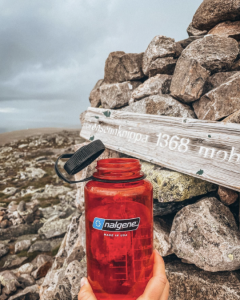
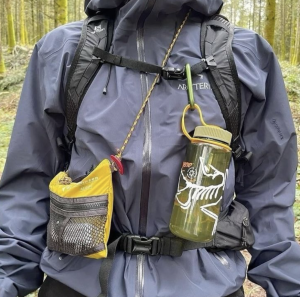 Nalgene water bottles were designed for the outdoorsy type and became extremely popular for their durable plastic build which was light perfect for the “Leave No Trace” camping philosophy that many customers matched to their outdoorsy lifestyle. Although this water bottle was extremely popular in the early 2010s it is still a prominent water bottle that can be seen as a reflection of one’s outdoorsiness and wanderlust lifestyle. Nalgene is prominent in niche subcultures such as hiking groups, backpacking, mountain climbing enthusiasts and national park communities. This is where practicality, sustainability, and durability are valued over trend-driven aesthetics, reinforcing its identity as a functional symbol of an adventurous lifestyle. This aligns closely with gear preferences like Gore-Tex jackets, trail runners, and other performance-based outdoor equipment, where functionality and reliability signal experience and commitment to outdoor culture rather than just following a trend.
S’well 2014-2017
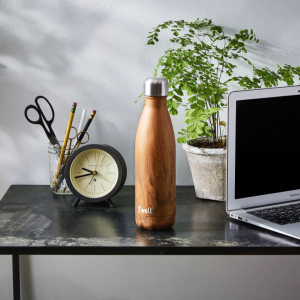 The S’well water bottle quickly became a staple for those aiming for a sleek, professional, and stylish look. Its slim design made it easy to slip into purses and backpacks without taking up too much space. The simple yet polished prints often replaced the need for stickers, drawing attention to a sense of professionalism through minimalism rather than extra decoration.This aesthetic is often associated with brands like Kate Spade, Michael Kors, and Coach, as well as niche groups such as young professionals, corporate interns, and minimalist lifestyle communities who value a polished, organized, and understated look.
Hydro Flask 2018-2019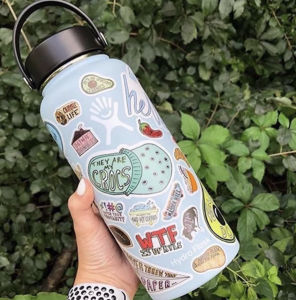
The Hydro Flask craze became a staple of 2019. These water bottles became heavily associated with different media platforms, including Pinterest, but more notably VSCO. The heavily insulated water bottle came in a variety of colors and quickly became an accessory for a variety of stickers that reflected the owner’s interests. The prominent market for these water bottles were students and athletes who wanted a fun way to stay hydrated but also show off their personality through a variety of different stickers and color choices. This shows how brands such as Hydro Flasks are able to stay relevant to this day by marketing to a large audience while providing options that align with consumers’ interests through their customizability and variety of shape choices.
Stanley 2020-2023
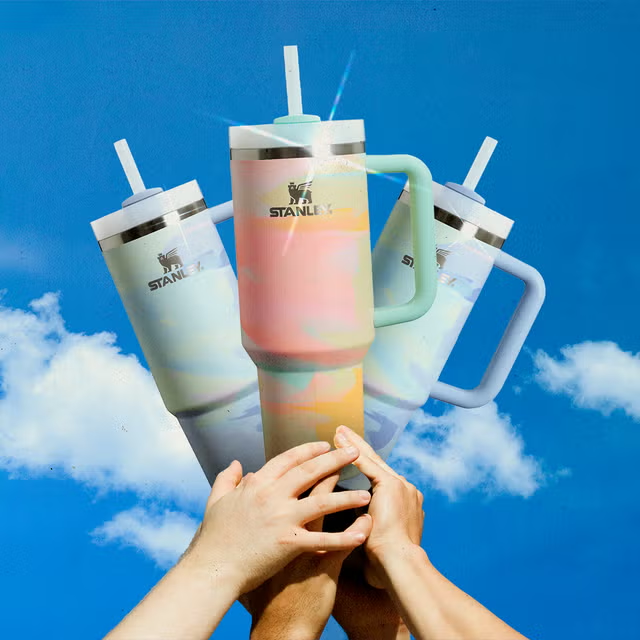
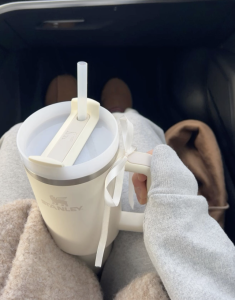 The Stanley water bottle might be the first one that comes to mind when you think of a trending water bottle. This water bottle is one of the most if not the most successfully marketed water bottles in the world. Stanley has partnered with a number of different athletes, influencers, and celebrities including but not limited to Lainey Wilson, Olivia Rodrigo, Tyla, Messi, and now Post Malone. These collabs helped shape the brand image of Stanley as trendy, culturally relevant, and appealing to a wide range of audiences, from sports fans to music listeners and everyday consumers. By working with recognizable names, the brand created hype around limited releases and positioned the bottle as more than just a functional item, but also a lifestyle accessory.
Owala 2024-2025
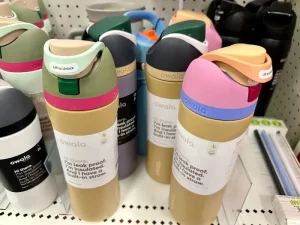
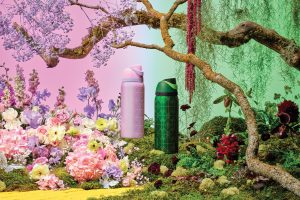
Similar to the Stanley water bottle, Owala water bottles are often associated with a clean-girl, minimalist aesthetic that’s popular among college students and influencer driven audiences. It fits into lifestyles centered around yoga, staying active, and everyday routines, often paired with oversized bags and neutral toned outfits. These associations help shape the brand image of Owala as modern, simple, and practical, appealing to people who value both functionality and aesthetics. Rather than relying heavily on celebrity collaborations, the brand’s popularity has grown through social media trends which involve people going to Target and switching and swapping out the lids and bottles to create interesting color combinations. The color combinations are a key characteristic of the brand’s marketability and they focus on different special collabs including Disney, Wicked, and seasonal color ways that feed into this water bottle craze.
Bottle of the year 2026
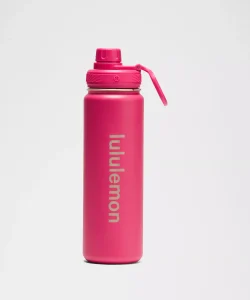
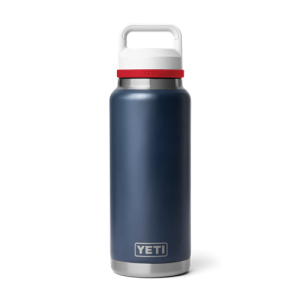
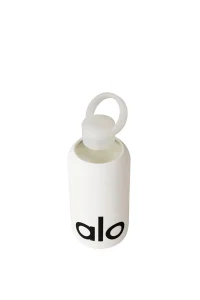
This year’s most trending water bottle has yet to be decided on as trends continue to shift quickly across social media and consumer preferences. However, brands like YETI, Lululemon, and ALO Yoga remain popular largely because of their strong brand recognition. YETI is often associated with a more rugged image, appealing to blue collar workers and a more traditionally male consumer base. In contrast, Lululemon and ALO Yoga water bottles are tied to health focused lifestyles, yoga, Pilates, and the clean-girl aesthetic, making them especially popular among wellness oriented audiences. Together, these associations show how brand identity continues to shape water bottle trends even as the “top” bottle changes.
The Rise of Water Bottles as a Marketing Phenomenon
Water bottles have become more than just everyday items, they’ve turned into a major marketing phenomenon. Brands use them as opportunities for collaborations, limited releases, and aesthetic driven campaigns that build hype and visibility. What was once a simple functional product is now a lifestyle accessory shaped by trends, influencers, and brand partnerships. This shift shows how even basic items can create strong brand identity and community when marketed strategically.