 Bridgerton has always been the kind of show that makes people pause mid episode just to take in the details, especially on Netflix. The styling, the rooms, the colors, the little social rules that somehow feel dramatic even when nothing is being said out loud. What stands out this season is that the marketing leans into that feeling in a way that feels very intentional. It is not just merch or a couple branded posts. It is campaigns designed to bring the Bridgerton world into everyday habits like scrolling, shopping, and reacting to what everyone else is talking about.
Two collaborations really capture that approach. Facebook Marketplace takes the fantasy and connects it to real shopping behavior, while Dove taps into one of the show’s core themes, being watched and judged, and turns it into a modern message about confidence and beauty.
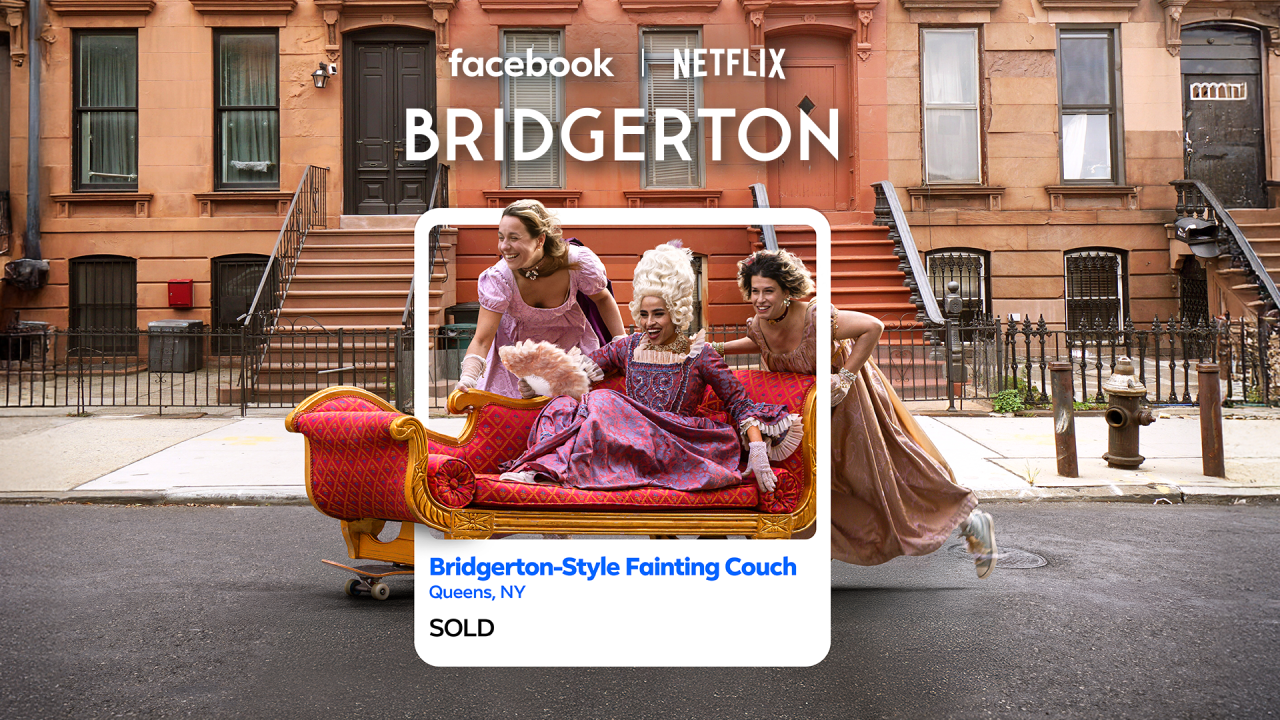
1) Facebook Marketplace: Facebook Marketplace turns Bridgerton into something you can actually browse
This is such a smart choice because Marketplace is already where people go to hunt for aesthetic finds, vintage pieces, home decor, and “I can fix it” furniture. Basically, it’s the closest thing we have to rummaging through a real-life estate sale in Mayfair.
For Season 4, Facebook Marketplace leaned into that behavior with a curated, Bridgerton inspired shopping experience. The campaign positioned the platform as a destination for Regency inspired items (tea time essentials, furniture, fashion, and decor that can pass as ton approved), and they layered in weekly giveaway mechanics to keep people coming back instead of treating it like a one and done promo.
Why this works
- It’s a shopping experience disguised as a fun activity. You are not being told to buy. You are being invited to browse. That matters.
- Marketplace is behavior based, not aspiration based. People already scroll it like entertainment. The campaign simply gave that behavior a story.
- It extends the show beyond the screen without asking fans to “be a fan.” It asks them to decorate, host, thrift, and style, which is way more natural.
- From a multicultural marketing lens, this is also interesting because Marketplace is used heavily across communities for resale, small business discovery, and budget friendly home upgrades. A campaign like this can reach people who love the vibe even if they’re not buying premium licensed products.
2) Dove: “Let Them Talk” and the modern version of ton gossip
Dove took the core social dynamic of Bridgerton (whispers, judgment, stat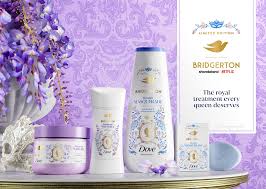 us, spectacle) and translated it into something very 2026: online commentary culture.
Their “Let Them Talk” campaign uses a masquerade ball setting and mirrors the show’s obsession with who’s “acceptable” and who isn’t, then flips it. The creative centers people showing up confidently and unapologetically, including a creator with alopecia who removes her wig in the hero spot. The campaign ran as a hero video amplified across Netflix and social platforms, tying directly into Dove’s long running real beauty positioning.
On the product side, Dove also launched a limited edition Bridgerton inspired collection, leaning into sensory storytelling with “transportive” scents and packaging built for social sharing and gifting.
Why this works
- It’s not just “Bridgerton themed soap.” It’s brand strategy: take the show’s central tension (public opinion) and make it culturally relevant to today’s beauty pressure.
- The casting choice is the message. Dove didn’t need a long manifesto because the creative showed exactly what they meant by “real beauty.