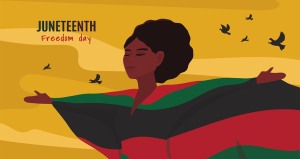
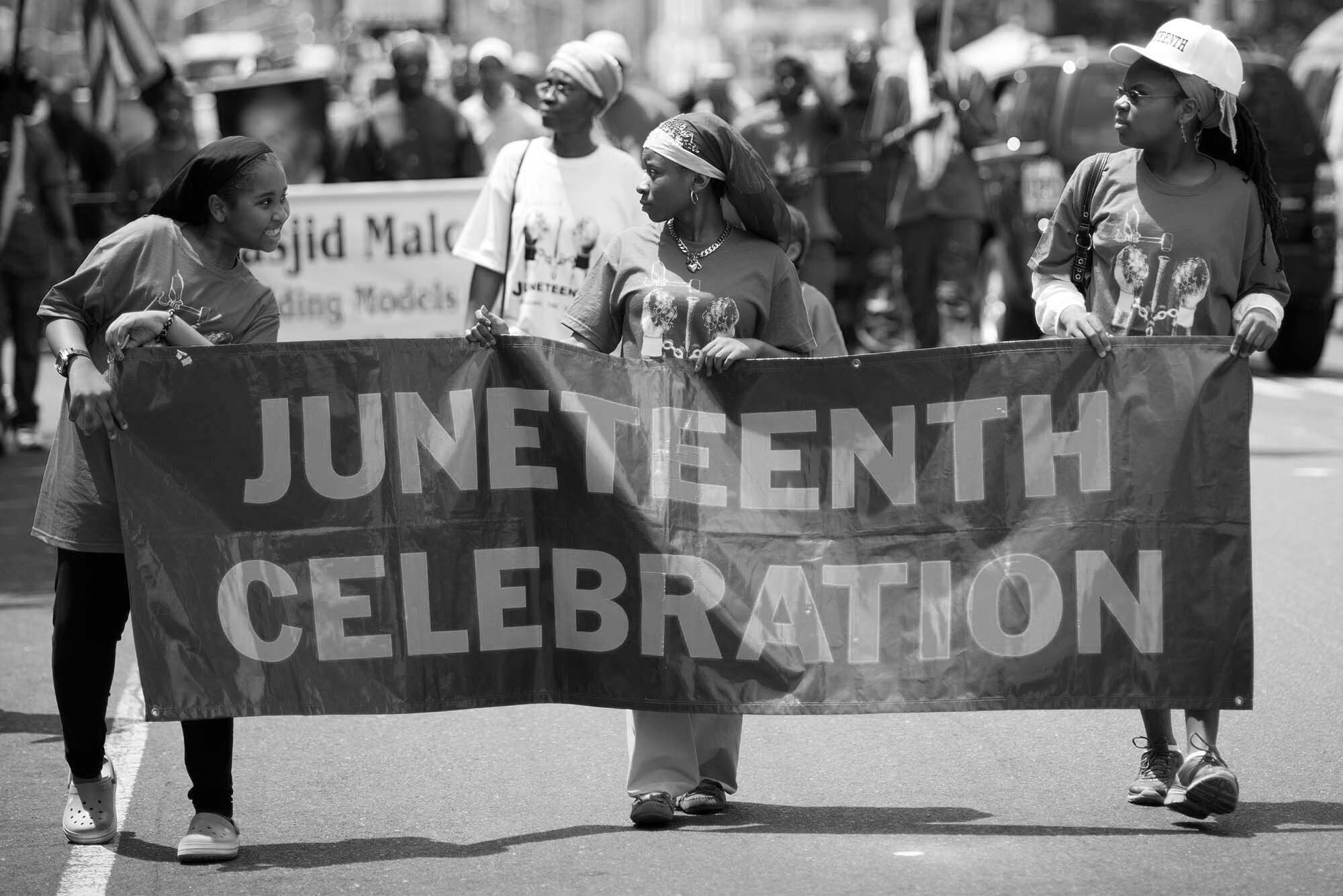
Every June 19th, communities around the United States recognize Juneteenth: a day honoring the end of slavery in the U.S. and celebrating Black freedom, resilience, and achievement. While Juneteenth is rooted in a specific moment in history, its meaning continues to carry significance today.
For brands and marketers, Juneteenth should not be treated as another content opportunity or a date to acknowledge with a graphic. Instead, it is a moment that challenges organizations to think more deeply about representation and whether their actions align with the values they publicly promote. Representation matters during Juneteenth because the holiday itself is centered on recognition, visibility, and truth. It reminds us that communities should not have to fight to feel seen or acknowledged.
In marketing, this same idea carries real weight. The way brands portray people, cultures, and communities shapes how audiences feel and whether they believe a brand truly understands them.

Representation Builds Authentic Connections
Consumers want to see themselves in the brands they support. When people recognize their experiences, cultures, and communities in marketing, they are more likely to feel understood and valued. But representation goes beyond checking a diversity box. It means creating marketing that reflects real people with authentic stories and experiences.
During Juneteenth, this becomes especially important. The holiday is not only about acknowledging Black history, but also about honoring Black strength, leadership, creativity, and community. Representation asks brands to move beyond surface level inclusion. It pushes marketers to think about the stories they are amplifying, the language they are using, and the intent behind their message. A campaign may include diverse imagery, but if it lacks cultural understanding, it can still feel disconnected or performative. Audiences can tell the difference between representation that is thoughtful and representation that is added at the last minute.
That is why marketing during Juneteenth requires care. It is not enough to be present in the conversation. Brands must be intentional about how they show up.
Juneteenth is a Time for Reflection, Not Promotion
One of the biggest mistakes brands make is treating cultural observances like traditional marketing moments. Juneteenth is rooted in history, remembrance, freedom, and the ongoing pursuit of justice.
That means brands should approach the day with education and purpose rather than discounts or sales messages. Instead of questioning, “What should we post for Juneteenth?” marketers should ask: What values does our company demonstrate year round? How do we support diverse communities beyond social media? The answers to those questions often matter more than the campaign itself.
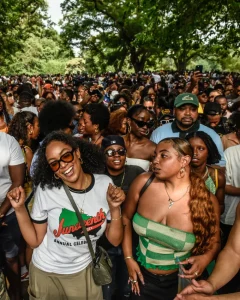
Representation Starts Behind the Scenes
Authentic marketing begins long before a campaign launches. The strongest marketing often comes from teams with diverse perspectives. When people from different backgrounds contribute ideas, brands are better equipped to recognize cultural nuances and create messaging that resonates with broader audiences. When diverse voices are part of the decision making process, authenticity becomes much easier to achieve.
Today, consumers are paying attention to whether brands follow through on their values. A Juneteenth social media post may generate engagement, but audiences increasingly look beyond the graphic or caption. They want to know if the company invests in diverse communities or if the organization’s leadership reflects the communities it serves. Meaningful representation isn’t measured by one campaign, it’s measured by consistency.
Better Marketing Through Representation
Inclusive marketing not only is the right thing to do, but also makes campaigns more effective. When brands take the time to understand different audiences, their messaging becomes more relevant and relatable. Campaigns feel less generic, more personal, and audiences are more likely to engage with content that reflects their values and experiences.
Representation also helps brands build long term credibility. Consumers are more likely to support companies that demonstrate cultural awareness and social responsibility in a consistent way. A brand that understands representation can connect with audiences beyond a single campaign because it is building relationships, not just impressions.
This is especially important in today’s marketing landscape, where audiences expect more from brands. People want to support organizations that show awareness, empathy, and accountability. They want brands to communicate in ways that feel human. Representation helps make that possible.
For Juneteenth, this means moving past generic statements and creating marketing that is rooted in respect, education, and authenticity. It also means recognizing the significance of the holiday while understanding that the work does not begin or end on June 19th.
Looking Beyond Juneteenth
Juneteenth reminds us that representation should never be limited to a single day, month, or campaign. The most respected brands don’t limit inclusion to heritage months or cultural holidays. Instead they make representation part of their everyday marketing strategy through thoughtful storytelling, diverse partnerships, and genuine community engagement. As marketers, our responsibility isn’t simply to create campaigns that capture attention. It’s to create messages that reflect the diverse communities we serve with respect, authenticity, and purpose. Because meaningful representation isn’t about the right thing once a year, it’s about consistently showing people they belong.