Generation Z has become one of the most influential consumer groups, and brands are noticing. Born between the mid-1990s and early 2010s, Gen Z has grown up in a digital-first world. Everything is only a click away, shaping a generation with unique expectations, values, and behaviors. Gen Z consumers expect brands to do more than sell products; they want brands to tell stories, create experiences, and foster genuine connections. As a result, marketing is becoming less transactional and more relationship-driven. As their purchasing power continues to grow, businesses are adapting their strategies to connect with an audience that values authenticity, meaningful engagement, and community.
Authenticity Over Perfection
Unlike the previous generations, Gen Z is attracted to brands that feel relatable and genuine. Instead of producing highly polished ads, Gen Z’s attention is caught through behind-the-scenes content, employee-generated videos, and user-generated videos that feel more authentic. Creating trust is an essential part of modern marketing and a way to reach that is by consumers seeing real people and real experiences.
Consumers want to see the people behind the brand and understand what a company values. Brands that showcase everyday employees, share customer experiences, or embrace humor and imperfections make them feel a sense of familiarity and trust. Authenticity has become one of the strongest tools marketers can use. In an era where consumers are constantly exposed to advertising, genuine connections are what set brands apart.

Short-Form Content is in the Lead
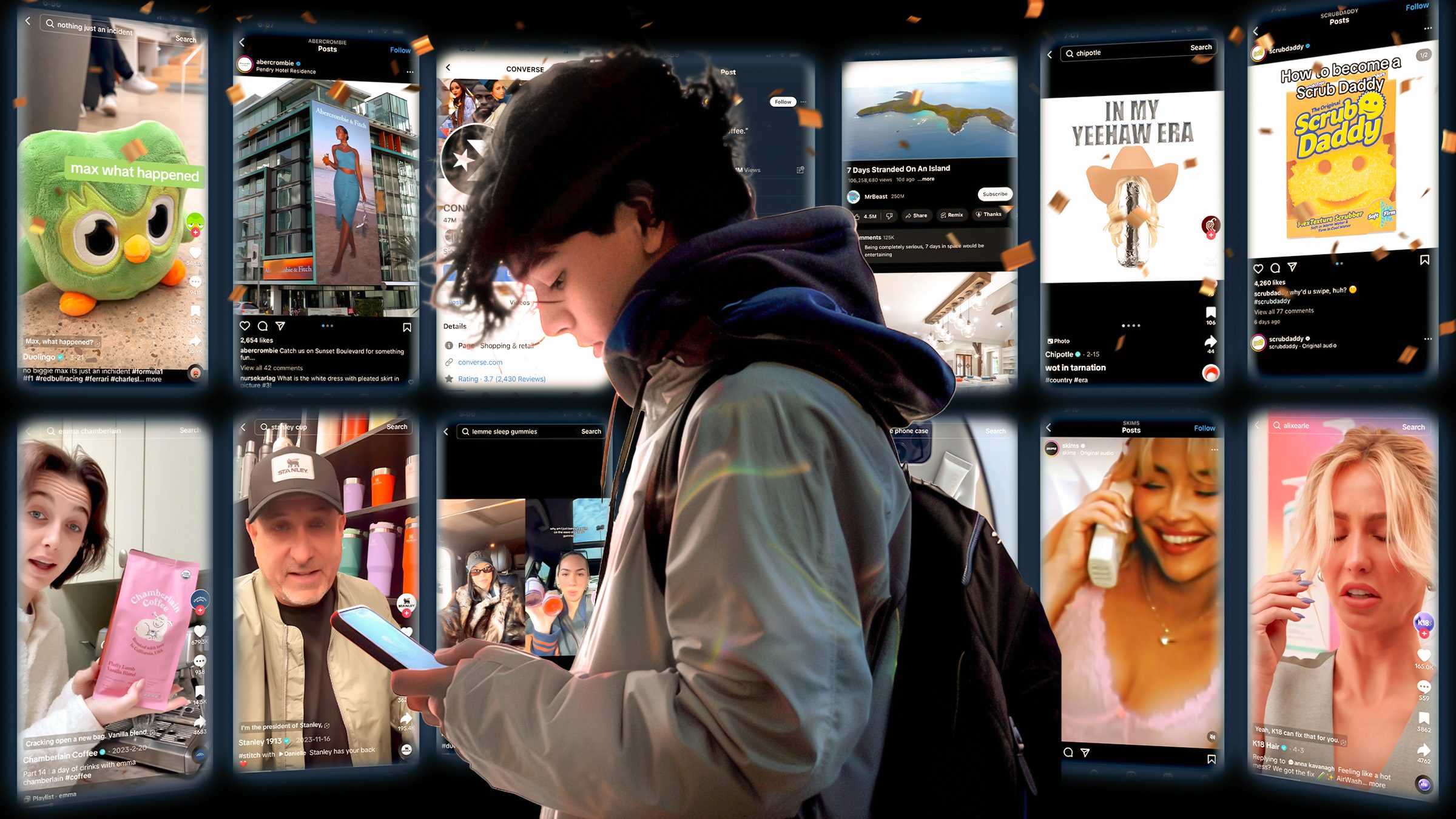
Social media platforms like TikTok, Instagram Reels, and YouTube Shorts have completely transformed the way consumers discover products and interact with brands. Gen Z has grown accustomed to consuming information quickly, and creating short-form videos is one of the most effective ways to capture their attention. It is also no longer just a competition between brands; it is a competition with creators, trends, and endless streams of content. Successful brands understand that entertainment and education often go hand in hand. Whether it’s through tutorials, storytelling, or trending audio, short-form content has become an essential part of reaching younger audiences.
One brand that has mastered this approach is Duolingo. Rather than relying on traditional advertising, the language-learning platform has built a strong presence on TikTok by embracing humor and trends, and by giving its iconic owl mascot a personality. Creating relatable and entertaining videos, Duolingo has made a presence that feels native to social media rather than promotional. This strategy has helped the brand build a loyal following and demonstrates how brands can connect with Gen Z by prioritizing authenticity and entertainment over conventional marketing tactics.
Values Influence Gen Z’s Purchasing Decisions
Gen Z consumers are increasingly mindful of the brands they support. Issues such as diversity, inclusion, sustainability, and social responsibility play a significant role in how they make purchasing decisions. They want reassurance that the companies they buy from align with their values and contribute positively to society. However, Gen Z is also highly aware of performative marketing. Consumers can quickly recognize when a brand’s message feels forced or insincere. Today’s audiences expect companies to follow through on their commitments and demonstrate authenticity through actions rather than words. For brands, trust is built through consistency and transparency.
Community Matters More than Followers
While follower count is still considered a key indicator of success, Gen Z has shifted the focus toward being part of a community and engagement. Brands that prioritize conversations and create spaces for their consumers to connect are more likely to build that long-term loyalty, leading to success. Whether through social media interactions, user-generated content, or brand experiences, consumers want to feel like they are a part of something bigger than themselves. Building a strong community creates emotional connections extending beyond a single purchase and can turn customers into advocates. If brands focus on cultivating relationships rather than simply growing their audience, it will give them a competitive advantage.
Looking Forward
Gen Z is doing more than influencing trends in the marketing world; they are redefining what consumers expect from brands. Their preferences are shaping the future of marketing, encouraging businesses to prioritize authenticity, community, and purpose in everything they do. As this generation’s influence continues to grow, brands that embrace transparency, create meaningful connections, and remain culturally relevant will be better positioned to earn trust and foster long-term loyalty. The future of marketing belongs to companies that understand consumers no longer want to be marketed to, they want to feel understood.