When a celebrity launches a collaboration today, it’s about much more than putting their name on a product. Consumers expect authenticity, storytelling, and a partnership that feels like a natural connection of both the brand and the person behind it. That’s exactly what the process was with the Gap jeans and Hailey Bieber collab.
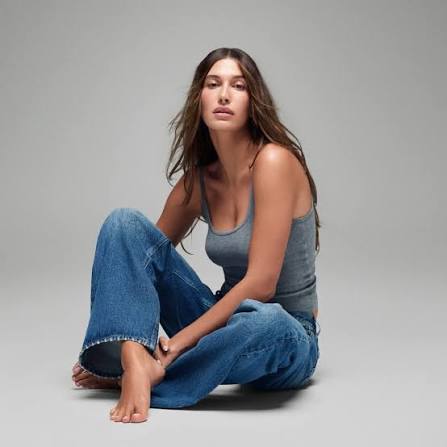
The limited edition collection features two denim styles, the Extra Baggy Jean and Low Rise Loose Jean, inspired by Bieber’s favorite vintage Gap jeans and her love for effortless 90s fashion. From the relaxed silhouettes to the subtle “1996” details (Hailey’s birth year), every piece was designed to feel personal rather than promotional. “Gap has been a part of my wardrobe since I was a kid, so this came together very organically,” said Bieber. Even the campaign itself leaned into nostalgia, pairing oversized pieces with minimalist styling and including a signature of Hailey’s inside the pocket lining.
But beyond the jeans themselves, this collaboration highlights a larger shift happening across the marketing world.
Consumers Want Authenticity, Not Advertisements
Today’s audiences, especially Millennials and Gen Z, can quickly tell when a partnership feels forced. The strongest collaborations don’t start with a celebrity; they start with shared values and a believable story. Social media has made consumers more informed than ever, and they are constantly exposed to influencer campaigns, sponsored content, and celebrity endorsements. Because of that, audiences have become mu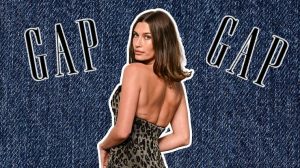 ch more selective about the brands they choose to support.
Hailey Bieber has worn Gap for years, making the collaboration feel less like a sponsorship and more like a full-circle moment. Instead of creating something completely new, the collection builds on Gap’s heritage while reflecting Bieber’s own personal style. That authenticity gives consumers a reason to connect beyond the product itself. The campaign doesn’t ask consumers to believe something new about either party. Instead, it reinforces what people already associate with both Gap and Hailey: effortless style, timeless basics, and pieces that fit seamlessly into everyday life.
Nostalgia Continues to Drive Culture
Fashion has always been cyclical, but nostalgia has become one of the most powerful marketing tools in recent years. From low-rise denim to film cameras, Y2K beauty trends, and vintage-inspired branding, consumers are embracing pieces that evoke simpler moments while still feeling like themselves. Gap taps into this perfectly by revisiting its denim legacy instead of chasing every new trend. The campaign doesn’t try to reinvent the brand. Instead, it reminds consumers why they loved Gap in the first place while introducing that story to a younger generation. This approach also demonstrates an important marketing lesson about how nostalgia works best when it’s paired with relevance. Gap isn’t simply recreating a campaign from the 90s. It’s updating its legacy through a modern cultural figure who resonates with today‘s younger consumers, allowing longtime fans and new audiences to find common ground.
The Best Collaborations Feel Like Culture
Successful collaborations today extend far beyond retail. A launch is no longer confined to a store or an online checkout page. Instead, it lives across TikTok, Instagram, Pinterest, YouTube, and countless conversations happening everywhere online.
These campaigns are designed to spark conversations, generate Instagram saves, inspire outfit recreations, and become part of the broader cultural moment. Consume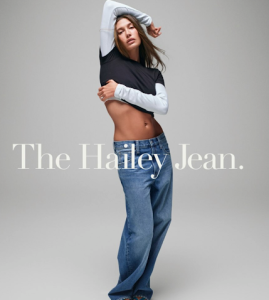 rs don’t just want to see a campaign. They want to interact with it, recreate it, and make it part of their own online presence. According to Gap.Inc, the Hailey-Gap Jean campaign was built with social-first storytelling in mind. Clean visuals, effortless styling, and nostalgic references gave creators plenty of reasons to share the campaign organically rather than feeling like they were simply watching another advertisement. Fashion creators immediately began styling similar outfits, discussing the campaign’s aesthetic, and comparing the collection to vintage Gap pieces.
This kind of organic conversation is incredibly valuable because it extends the life of a campaign beyond launch day. Instead of relying solely on paid advertising, brands benefit from user-generated content, influencer styling videos, reaction posts, and discussions that continue to keep the collaboration relevant.
This is where modern marketing continues to evolve. Brands are no longer just launching products. They’re creating moments people want to participate in and conversations people want to be part of.
What Brands Can Learn
The Gap x Hailey Bieber collaboration reinforces a lesson marketers have seen time and time again, the most successful partnerships happen when authenticity leads the strategy. As mentioned, consumers don’t just buy products anymore. They buy stories, values, and brands that feel culturally relevant. By blending nostalgia with modern style and choosing a collaborator whose personal brand naturally aligns with its own, Gap created more than a denim collection. It created a conversation that resonated across social media, fashion publications, and everyday consumers.
For marketers, this campaign is a reminder that successful collaborations require thoughtful planning, a clear understanding of the audience, and a partnership that feels believable from every angle. As brands continue looking for ways to stand out in an increasingly crowded marketplace, collaborations like this show that the winning formula isn’t always about the biggest celebrity or the loudest campaign. Sometimes, the strongest marketing comes from understanding your audience, staying true to your brand identity, and creating something that feels authentic enough for consumers to make it part of their own story.
Just like a great pair of jeans, the best partnerships never feel forced.