
It’s the middle of summer but somewhere, the holiday cycle is already starting over. You’re dealing with the heat, wearing slides, and rushing into Walmart to grab a few things. Then, suddenly, you’re surrounded by Halloween decorations.
For a second, you might wonder: Wait, what month is it again?
Halloween is still four months away, yet pumpkins, costumes, and spooky decorations are already taking over store shelves. And Halloween is just one example. Throughout the year, retailers roll out seasonal products and campaigns earlier and earlier, so the next holiday often shows up before the current one has even arrived.
Why Holidays Keep Starting Earlier
Consumer shopping habits are constantly evolving, and brands are adjusting their strategies to match. Launching campaigns earlier gives people more time to discover products, compare options, and plan their purchases before the holiday actually arrives.
The shopping journey is also getting more personalized. New tools like AI, are giving consumers new ways to plan and visualize what they buy. AI lets consumers upload pictures of their space to preview how new decorations would look before even making a purchase, and even find where to buy that product. 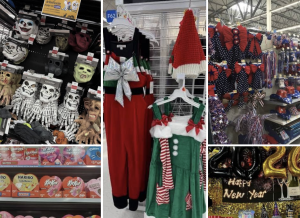
Buying something today rarely happens in one step. A shopper might spot a product while scrolling social media, see it pop up from a friend, compare prices across a few retailers, save it for later, and wait for a discount before finally checking out. That longer journey has become a full experience, and it gives brands way more chances to connect with people throughout that whole decision-making process.
Are We Celebrating Today, or Already Shopping for What’s Next?
This early rollout of seasonal marketing also shapes how people actually experience the calendar. When Halloween products show up in July, people start thinking about costumes and decorations months before October. Then Halloween ends, and almost immediately the focus shifts to Christmas. Not long after, it’s Valentine’s Day, then Easter, and suddenly retailers are already promoting the Fourth of July again. It becomes a cycle that never really stops; one campaign ends and the next one is already starting.
Anticipation is great for keeping people interested, but constantly jumping from one season to the next can leave people feeling like they’re always looking ahead instead of enjoying the moment. This is part of a bigger pattern in how we consume, a mindset shaped by a culture that always wants more, newer, and better. There’s always another trend, another product, another thing to look forward to. And the second we reach the moment we were waiting for, our attention often shifts to whatever comes next.
For marketers, that’s the real balancing act: how do you build excitement for what’s coming without making people feel like they’re already missing out on right now?
When Early Becomes Too Early
The real challenge for brands isn’t just deciding how early to start; it’s understanding when consumers are actually receptive. And no matter the industry, every brand is chasing that exact same window.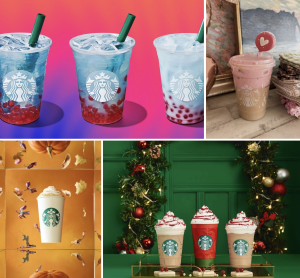
Think about the retail experience: while summer is still in full swing, back-to-school campaigns are already promoting fall clothing and preparing consumers for cooler weather. At the same time, Starbucks is bringing back its pumpkin and cinnamon flavors, becoming a signal that fall is approaching. Walk into Walmart, and Halloween decorations may already be filling the shelves. Each season begins to introduce the next one before the current one has even ended.
Successful seasonal marketing isn’t just about turning anticipation into immediate sales. Most people don’t buy right away when a campaign launches, but it’s about the process of being seen: showing up early and letting consumers build interest in the new items of the season.