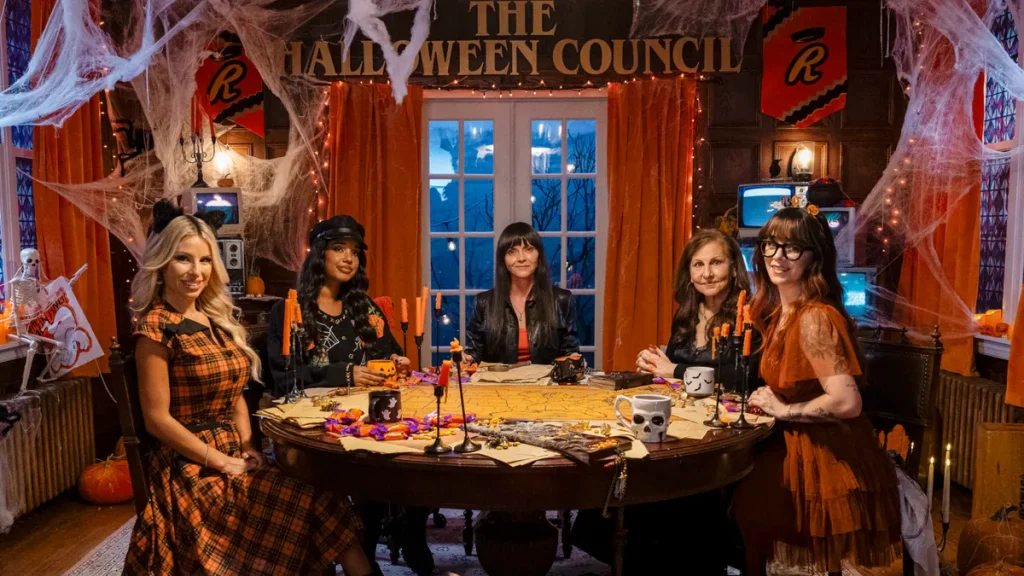
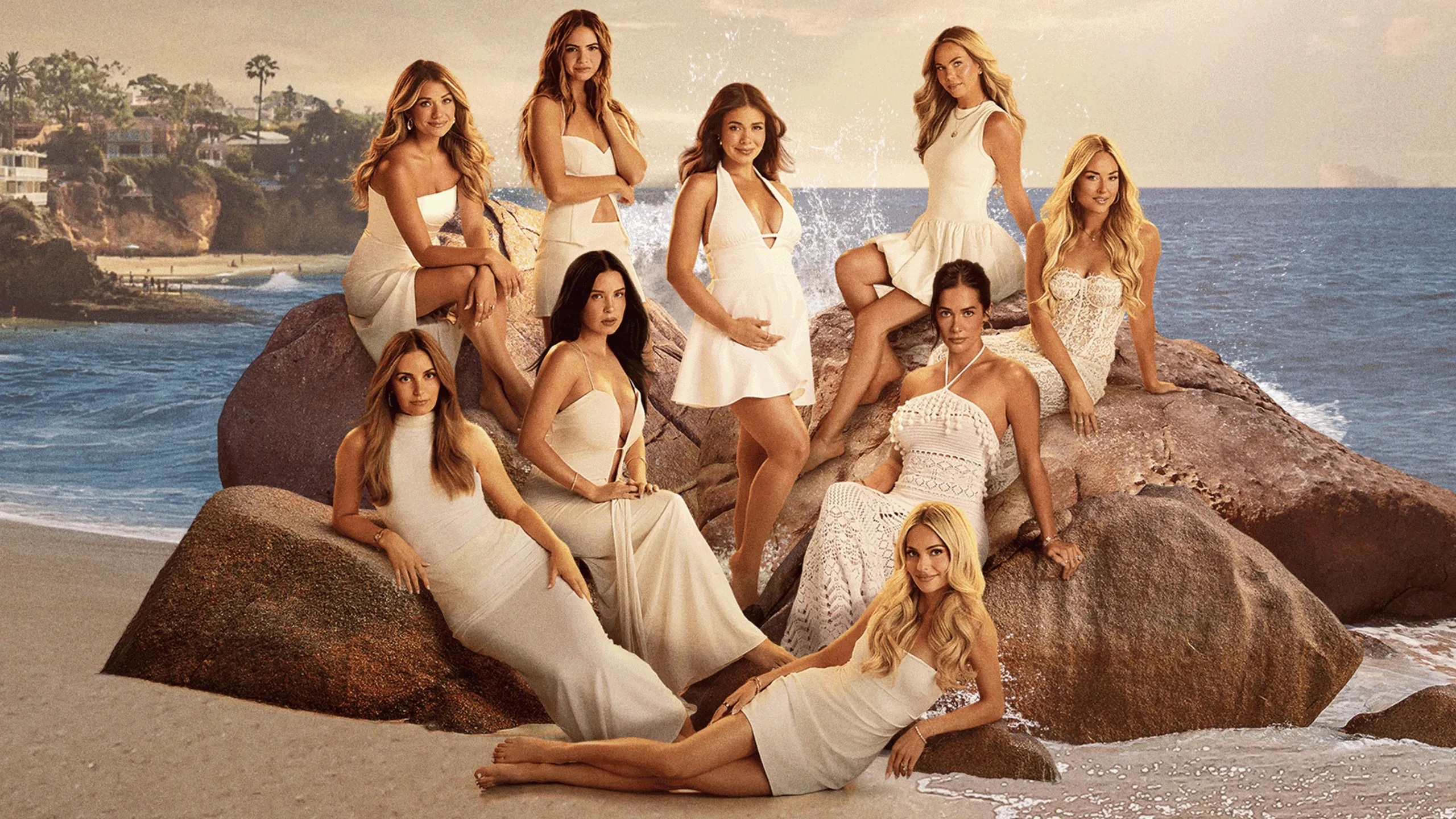
Reality TV has always been good at getting people talking, but in the age of TikTok and influencer culture, it’s becoming something much bigger. One show proving that reality TV is becoming a marketing opportunity is Hulu’s The Secret Lives of Mormon Wives: Orange County. What started as a group of Utah based mom influencers sharing dance videos and lifestyle content on Tiktok has grown into a reality television phenomenon. Between viral storylines, social media conversations, brand partnerships, and a growing cast of recognizable influencers, the show has created an interesting intersection between entertainment and digital marketing. And now, with the franchise expanding to Orange County, the MomTok universe is getting even bigger. But beyond the drama, there’s a lot marketers can learn from how these women turned their online presence into recognizable personal brands.
From MomTok to Mainstream: Building a Brand Before the Show
Before The Secret Lives of Mormon Wives: Orange County became a Hulu hit, the original group was already building an audience through TikTok. Known as MomTok, the group of California based moms gained attention for sharing dance videos, family moments, beauty content, and glimpses into their everyday lives. Their online popularity eventually caught the attention of Hulu, which turned their existing social media presence into a reality television series. Rather than introducing viewers to completely unfamiliar personalities, the show gave audiences a closer look at people they may have already been following online. This is an important marketing lesson, building an audience doesn’t require starting from scratch. The cast had already established relationships with followers who were interested in their personalities and lifestyles. TV just gave that community another platform to engage with them. For brands, this demonstrates the value of building an engaged audience before launching a major campaign or product. A loyal online community can create opportunities that extend far beyond social media. 
The Power of Personality: Why Audiences Keep Watching
One of the biggest reasons The Secret Lives of Mormon Wives attracts attention is that its cast members are more than just reality TV personalities. They are influencers with established online identities. Audiences get to see their lives unfold across multiple platforms from Tiktok videos and Instagram posts to TV episodes and interviews. This creates multiple opportunities for viewers to connect with the personalities behind the show. The combination of entertainment and social media also creates an ongoing conversation.
A moment from an episode can turn into a viral clip, inspire a TikTok trend, or become the subject of countless discussions. For marketers, this highlights the importance of personality driven content. Consumers aren’t always looking for perfectly polished advertisements, they often want content that feels entertaining, relatable, and worth sharing. When audiences become invested in the people behind a brand, they have more reasons to follow along.
When Reality TV Meets Influencer Marketing
Perhaps one of the most interesting parts of the show’s success is the opportunity it creates for influencer marketing. The cast members already have audiences who follow their recommendations, routines, and personal interests. Adding television exposure introduces them to even more potential followers and consumers. This makes them appealing partners for brands looking to reach audiences through familiar personalities rather than traditional advertisements.
 Beauty, fashion, lifestyle, and wellness brands are well positioned to benefit from these partnerships because their products can naturally fit into the type of content the cast already creates. The show also represents how influencer marketing can extend beyond a sponsored post. A personality can appear in a television episode, discuss a product on social media, attend a brand event, and create additional content around the same partnership. Instead of reaching consumers through one advertisement, brands have multiple opportunities to become part of the conversation.
The Marketing Behind the MomTok Phenomenon
Hulu’s launch strategy for the original series is an especially interesting example of how entertainment companies can use social media to generate excitement before a show premieres. Unlike other streaming platforms that may rely on traditional TV advertisements, Hulu leaned into TikTok, working with the cast and other creators to introduce the series to audiences already familiar with the MomTok community. The campaign included creator partnerships, cast-led content, video previews, and high visibility TikTok advertising placements.
According to TikTok’s published campaign case study, Hulu’s campaign generated a 144% lift in overall tune-in rate and a 373% lift in tune-in from its Pulse campaigns. The hashtag #SecretLivesOfMormonWives also generated more than 414 million video views. These results demonstrate how a show can use the platform where its audience already spends time to turn online curiosity into viewership. It also highlights an important marketing strategy: meet consumers where they are. Instead of expecting audiences to discover a new show through traditional advertising, Hulu used the community and platform that helped inspire the series in the first place.
Reality TV Is More Than Entertainment
The Secret Lives of Mormon Wives is a reminder that the lines between entertainment and marketing are becoming increasingly connected. What began as a group of influencers sharing content online has developed into a television franchise with a highly engaged audience, major social media attention, and opportunities for brand partnerships.
For marketers, the biggest takeaway isn’t to create a reality show of their own. It’s to understand what makes people pay attention, participate in conversations, and build connections with the personalities and brands they follow. In a digital world where consumers are constantly scrolling past advertisements, sometimes the most effective marketing doesn’t feel like marketing at all. It feels like entertainment and a conversation people actually want to be part of.