Imagine taking a marketing professional from 1995 and dropping them into a marketing meeting today. They would probably recognize the goal. To get people interested in a brand and convince them to buy. But almost everything about how we get there would look completely different. In the 1990s, marketers relied heavily on television commercials, radio, newspapers, magazines, billboards, direct mail, and in store promotions. Today, brands can reach consumers through TikTok, Instagram, podcasts, influencers, email, streaming platforms, search engines, and even AI. Marketing hasn’t just become more digital. It has become faster, more interactive, more personalized, and much more connected to culture. Here are 10 things that might leave a 1990s marketer saying, “Wait… you can do that?”
1. Your Brand Has a Social Media Account
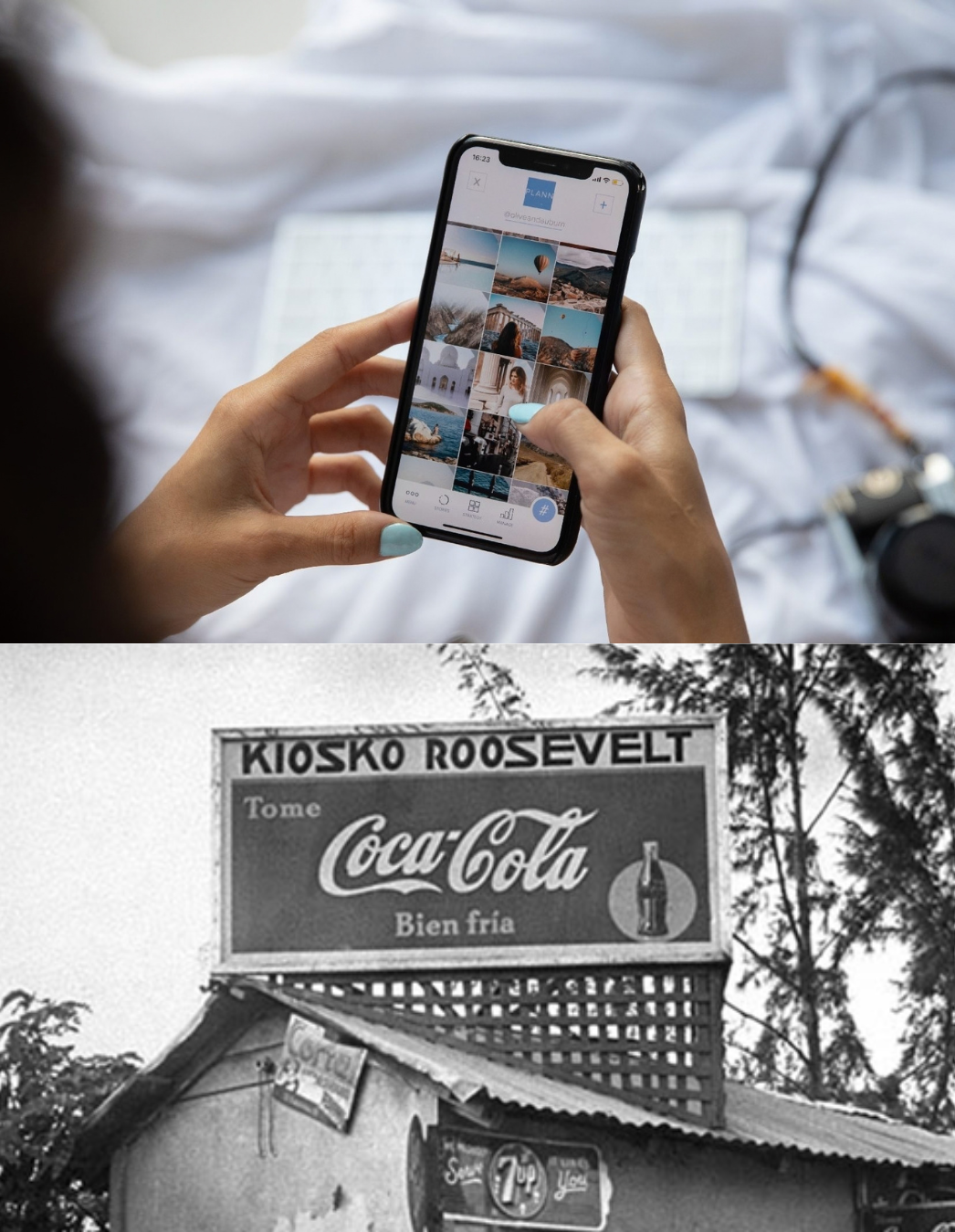
In the 1990s, a brand’s public voice was mostly controlled through advertisements, press releases, and traditional media. Today, brands can communicate with consumers every single day through social media. Instagram, TikTok, Facebook, LinkedIn, and other platforms have turned marketing into an ongoing conversation. Brands can post a video in the morning, respond to comments in the afternoon, and join a trending conversation by the evening. There is no more waiting for the next commercial or magazine issue, consumers can interact with a brand whenever they want now.
2. Consumers Can Talk Back
One of the biggest changes in marketing is that consumers aren’t only audiences anymore. They’re participants. A customer can comment on a brand’s post, share a product review, make a TikTok about their experience, or even create a viral post that gets millions of views. In the 1990s, a consumer might write a letter to a company or call customer service. But today one social media post can reach thousands of people in minutes. That means brands aren’t the only ones telling their story anymore.
3. Influencers Are Part of the Marketing Team
Celebrity endorsements weren’t new in the 1990s, but today’s creator economy looks very different. There wasn’t hiring famous actors or musicians. Brands can work with creators who have built loyal communities around a variety of niches such as food, beauty, travel, gaming, parenting, finance, fashion, or countless other interests. A creator with 10,000 followers might have a stronger connection with a specific audience than a traditional celebrity with millions of fans. The result? Marketing has become less about asking, “How famous is this person?” and more about asking, “Do people trust this person?”
4. You Can Target People Based on Their Interests
Think about telling a 1990s marketer that you could advertise a product specifically to people who have recently searched for similar products, watched certain videos, visited a website, or shown interest in a particular topic. Today digital advertising allows marketers to use audience data to make campaigns more targeted and relevant. Buying one television commercial and hoping the right people are watching has transitioned to brands developing different messages for different audiences and platforms. The challenge has shifted from reaching people to reaching the right people with the right message.
5. Marketing Happens in Real Time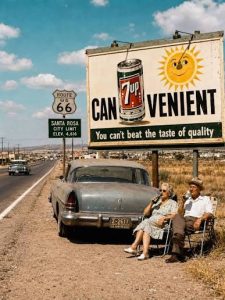
In the 1990s, creating an advertisement could take weeks or months. Today, marketing can happen almost instantly. A brand can see a trend on TikTok in the morning and create content around it that same day. Brands can respond to major cultural moments and conversations while they’re happening. This speed has created an entirely new type of marketing where brands aren’t just planning campaigns months in advance. They’re also paying attention to what’s happening right now. Of course, moving quickly doesn’t mean every trend is right for every brand. The challenge is knowing when to join the conversation and when to sit it out.
6. Your Customers Can Create Your Advertising for You
User generated content (UGC) has become a major part of modern marketing. A brand used to produce every piece of content itself. Now customers can show how they use a product, share reviews, post unboxing videos, or create their own stories around a brand. This changes the traditional relationship between brands and consumers. A company’s marketing team might create the original campaign, but consumers can add their own perspective to the story. Sometimes, that consumer created content can feel more natural than a traditional advertisement.
7. You Don’t Have to Wait for a Commercial Break
Streaming has completely changed how people consume entertainment and how marketers reach them. In the 90s, television advertising was one of the biggest ways to reach a large audience. Today consumers can watch streaming platforms such as YouTube, Netflix, Hulu, Disney+, TikTok, podcasts, and countless other forms of digital entertainment. People also have more control over what they watch and when they watch it. For marketers, this means the question is no longer, “What TV show should we advertise during?” It’s “Where is our audience spending their time?”
8. Brands Are Expected to Understand Culture
Marketing today goes beyond translating a message into another language. Consumers expect brands to understand the cultures and experiences of the people they’re trying to reach. This is especially important as brands communicate with increasingly diverse audiences. For multicultural marketing, that means asking deeper questions. Who is this message really for? Does the language feel natural? Does the imagery reflect the audience? Does the campaign understand the cultural context behind the message? A direct translation might communicate the words. Cultural understanding helps communicate the meaning. For brands trying to connect with multicultural audiences, that distinction can make all the difference.
9. Artificial Intelligence Is Growing
This might be the biggest shock of all. A 1990s marketer could use computers to help with design and organization. But today’s marketers can use artificial intelligence to brainstorm campaign ideas, analyze information, generate copy, create images, summarize research, and assist with other parts of the creative process. AI is becoming another tool in the modern marketer’s toolbox. But there’s an important catch. Technology can help create content, but it doesn’t mean creating a meaningful connection with an audience. Human creativity, cultural knowledge, strategy, and judgment still matter. In fact, as AI generated content becomes more common, authentic human voices become even more valuable.
10. Marketing Is Always Present

Even when we don’t realize it, brands are communicating 24/7. Perhaps the biggest difference between marketing then and now is the pace. 1990s campaigns had defined schedules. A commercial aired. A magazine was published. A billboard went up. A direct mail piece arrived. In today’s day in age, consumers can discover a product at midnight through TikTok, read reviews on their lunch break, receive a personalized email in the afternoon, and purchase the product from their phone that same day. Marketing has become less like a campaign that happens to consumers and more like an ongoing conversation with them.
Then and Now
If there’s one thing a 1990s marketer might take away from today’s marketing landscape, it’s that the fundamentals haven’t completely changed. Brands still need to understand their audiences. They still need compelling stories. They still need to build trust and give people a reason to care. What’s changed is the number of ways brands can do it. The billboard didn’t disappear. Television didn’t disappear. Radio didn’t disappear. Traditional marketing simply became part of a much bigger ecosystem. Today’s marketer has more tools, more data, more platforms, and more opportunities to connect with consumers than ever before. But with all those possibilities comes a new challenge. It’s knowing which tools actually help a brand build a meaningful connection. Maybe that’s the biggest lesson a 1990s marketer could teach us. Technology changes. Platforms change. Trends change. But understanding people never goes out of style.