Culture shapes the way people connect with messages, brands, and one another. For brands trying to reach Hispanic and Latino audiences, meaningful engagement requires more than translation—it requires understanding the traditions, values, history, and cultural moments that matter to the communities being represented.
Holidays and celebrations can be an important part of that understanding. Each one carries its own history, customs, emotions, and significance, which can vary across countries and communities. Looking beyond the date itself can help brands approach these moments with greater cultural awareness and relevance.
Three Kings Day | January 6
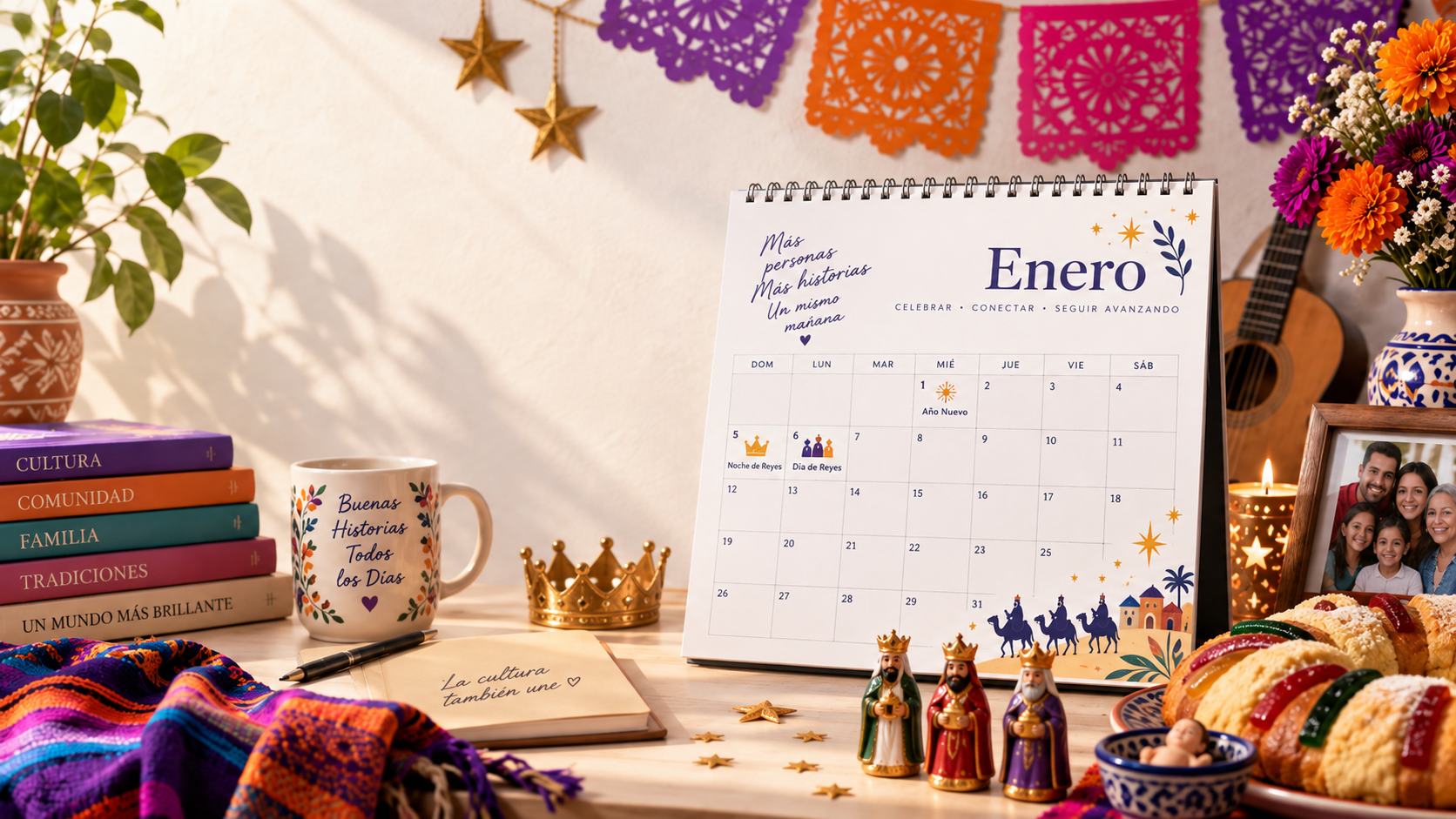
One of the first major cultural celebrations of the year for many Hispanic and Latino communities is Three Kings Day, or Día de los Reyes Magos, celebrated on January 6. The holiday has Christian roots and commemorates the arrival of the Three Wise Men, who visited Jesus and brought gifts of gold, frankincense, and myrrh. Over time, the celebration has developed different traditions across countries and families.
In some countries, the Three Kings have traditionally played a role similar to Santa Claus, bringing gifts to children during the night of January 5. On January 6, families may exchange gifts, gather together, and enjoy traditional foods such as Rosca de Reyes. More than a gift-giving tradition, is a meaningful way for families to close the Christmas season while celebrating faith, family, and traditions passed down through generations.
Cinco de Mayo | May 5
Cinco de Mayo commemorates Mexico’s victory over French forces at the Battle of Puebla on May 5, 1862. In the United States, the date has become a highly visible celebration of Mexican culture, often associated with Mexican food, music, festivals, and community gatherings. Restaurants, retailers, and brands frequently create promotions and events around the occasion.
Interestingly, Cinco de Mayo is generally celebrated with much more intensity in the United States than in Mexico, partly because its popularity in the U.S. grew significantly through marketing, particularly from beer and alcohol brands, which helped turn it into a larger cultural and commercial celebration.
Mothers Day | May
Mother’s Day is widely celebrated across Hispanic and Latino communities, most often during the month of May. While the exact date can vary from one country to another, the celebration carries a similar meaning across many communities. At its core, Mother’s Day is a time to recognize mothers and maternal figures and celebrate the important role they play within the family. The celebration may also reflect Catholic cultural influences, including the symbolism of the Virgin Mary as a maternal figure. Today, however, the day is broadly centered on family, appreciation, and spending time together.
Hispanic Heritage Month | September 15–October 15
Hispanic Heritage Month is a major cultural observance in the United States that recognizes the history, culture, and contributions of Hispanic and Latino communities. The celebration runs from September 15 to October 15. Throughout the month, communities celebrate Hispanic and Latino heritage through music, art, history, traditions, and stories that reflect the diversity within these communities. For brands, it can be a meaningful opportunity to recognize and honor Hispanic and Latino culture in a way that reflects a genuine understanding of the communities being represented.
Mexican Independence Day | September 16
Mexican Independence Day is one of the most important national celebrations for Mexican and Mexican American communities. It commemorates the beginning of Mexico’s fight for independence from Spain in 1810.
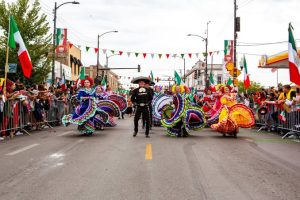 Celebrations traditionally begin on the evening of September 15 with El Grito de Independencia, when communities gather to mark the start of the celebration with the ringing of a bell and “¡Viva México!” Festivities continue into September 16 with parades, live music, traditional food, fireworks, and community events. In the U.S., El Grito celebrations are often organized by Mexican consulates and local community groups, giving Mexican and Mexican American communities a way to celebrate together.
Día de los Muertos | November 1-2
Across Hispanic and Latino communities, November 1 and 2 are observed in different ways as days to honor loved ones who have passed away. Observances can include photographs, candles, flowers, meaningful foods, visits to cemeteries, and family gatherings. While some communities mark the dates with colorful and public celebrations, others observe them in a more personal or quiet way. At their core, these traditions create a time to reflect on the lives, stories, and relationships of loved ones who are no longer present.
Virgen de Guadalupe | December 12
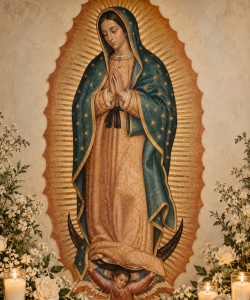
Día de la Virgen de Guadalupe, or Our Lady of Guadalupe, is an important religious and cultural observance, especially for Mexican and Mexican American communities. The story of the Virgin of Guadalupe dates back to the 16th century and became an important part of Mexico’s religious and cultural history. Over time, her image became deeply connected to faith, identity, history, and tradition. Celebrations may include church services, processions, music, flowers, and family gatherings. For many people, the day carries both spiritual and cultural meaning.
Las Posadas | December 16-24
Las Posadas is a nine-day Christmas tradition that remembers Mary and Joseph’s search for a place to stay before the birth of Jesus. During the nine nights leading up to Christmas Eve, families and communities may gather for processions, songs, prayer, food, and other festivities that recreate their journey. Beyond its religious roots, Las Posadas has become a tradition centered on hospitality, family and welcoming others, bringing people together during the Christmas season.
Nochebuena | December 24
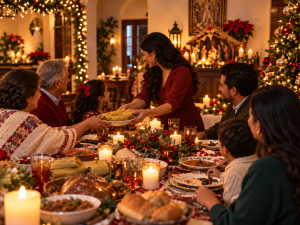
Nochebuena, or Christmas Eve, is a special night for families to celebrate with loved ones. The evening is filled with shared meals, music, Christmas carols, and family traditions that make it a meaningful part of the Christmas season.
Understanding the Calendar Behind the Culture
There is no single Hispanic or Latino cultural calendar. Some celebrations are shared across countries, while others are deeply connected to a specific community, history, or national identity. Even when traditions overlap, the meaning behind them and the way they are celebrated can look very different.
Hispanic and Latino communities are incredibly diverse, and no single list can represent every experience. A multicultural approach means understanding where a tradition comes from, who celebrates it, and why it matters.That context helps brands approach cultural moments with greater relevance, respect, and awareness.