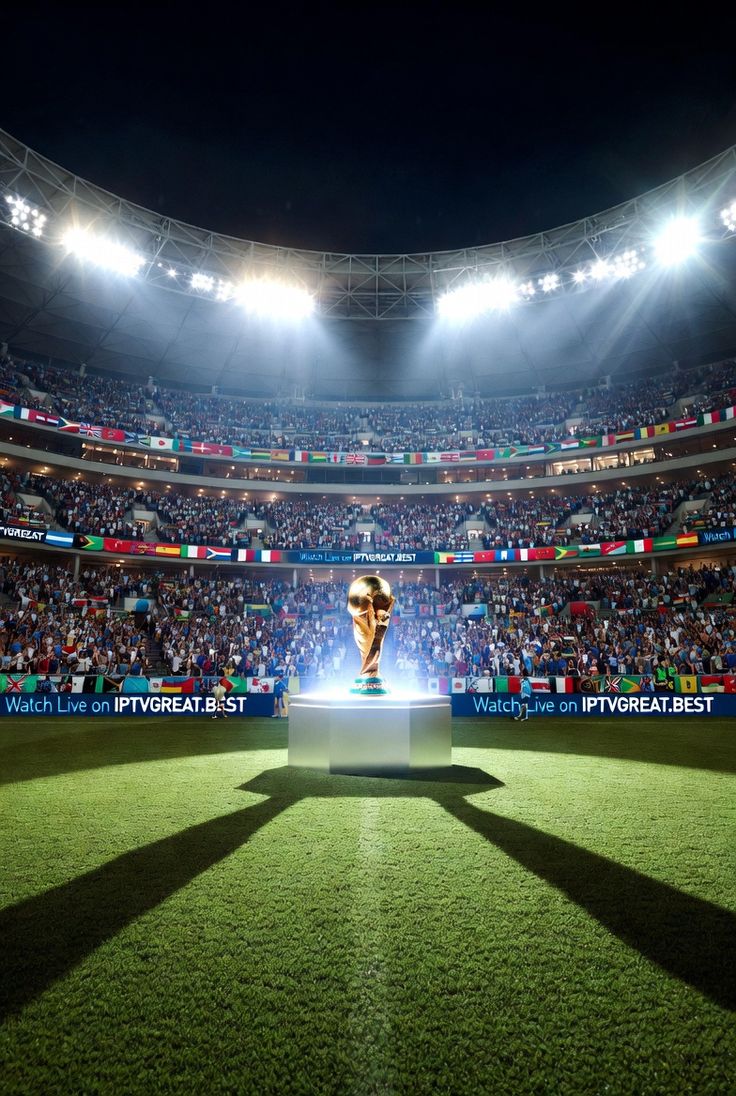
The 2026 FIFA World Cup is not just a sporting event, but is one of the largest marketing opportunities of the decade. With matches taking place across the United States, Mexico, and Canada, brands are preparing to reach audiences on a global scale while engaging fans in local communities. The tournament’s size, cultural impact, and digital reach are already influencing how marketers plan their campaigns and customer experiences.
A Bigger Tournament Means More Opportunity
The 2026 FIFA World Cup will be the largest tournament in the event’s history, expanding from 32 teams to 48 teams and increasing the number of matches from 64 to 104. This expansion creates more content, more fan engagement opportunities, and more exposure for sponsoring brands.
 FIFA has also reported record commercial interest in the tournament, with global sponsorship packages selling out well before kickoff. Many companies want to take the opportunity because this event is not only a big sporting event, but it is also global. It will open doors all over the world for brands trying to put themselves out there, and for popular brands, it will emphasize who they are.
For marketers, this means a larger audience, more touchpoints, and a longer timeline to connect with consumers before, during, and after the tournament.
Brands Are Investing in Experiences, Not Just Advertisements
Today’s consumers want more than traditional commercials. They want experiences they can participate in and share online, as social media engagement is on the rise now more than ever. For example, Adidas launched its “Home of Soccer” initiative in New York City, designed to bring together athletes, creators, and fans through events and activations connected to the World Cup. Nike has also embraced experiential storytelling through global football campaigns featuring athletes and celebrities that generate engagement across social media and digital platforms rather than relying solely on traditional advertising. The audience is able to experience the excitement of a grand event, while simultaneously supporting a big brand. 
These campaigns reflect a broader and newer trend in marketing. Brands are now becoming part of the conversation instead of simply advertising around it.
Digital Engagement Is Changing How Fans Experience Sports
While television remains important, consumers are increasingly engaging with World Cup content through social media, streaming platforms, mobile apps, and online communities.
Digital innovation is a key component of its commercial strategy for the 2026 tournament, creating new opportunities for brands to engage fans through connected experiences. Many people love sharing experiences online, and the people watching are curious to experience it themselves. Younger audiences increasingly consume sports through highlights, creator content, and social media clips rather than traditional broadcasts alone. Whether it is with memes or their favorite influencers, they have a chance to stay hyper-focused on what is going on. As a result, marketers must create content that works across multiple platforms and reaches consumers wherever they choose to engage.
Community Impact and Cultural Relevance Matter More Than Ever
The World Cup will bring together fans from dozens of countries and cultures, making authentic engagement increasingly important.
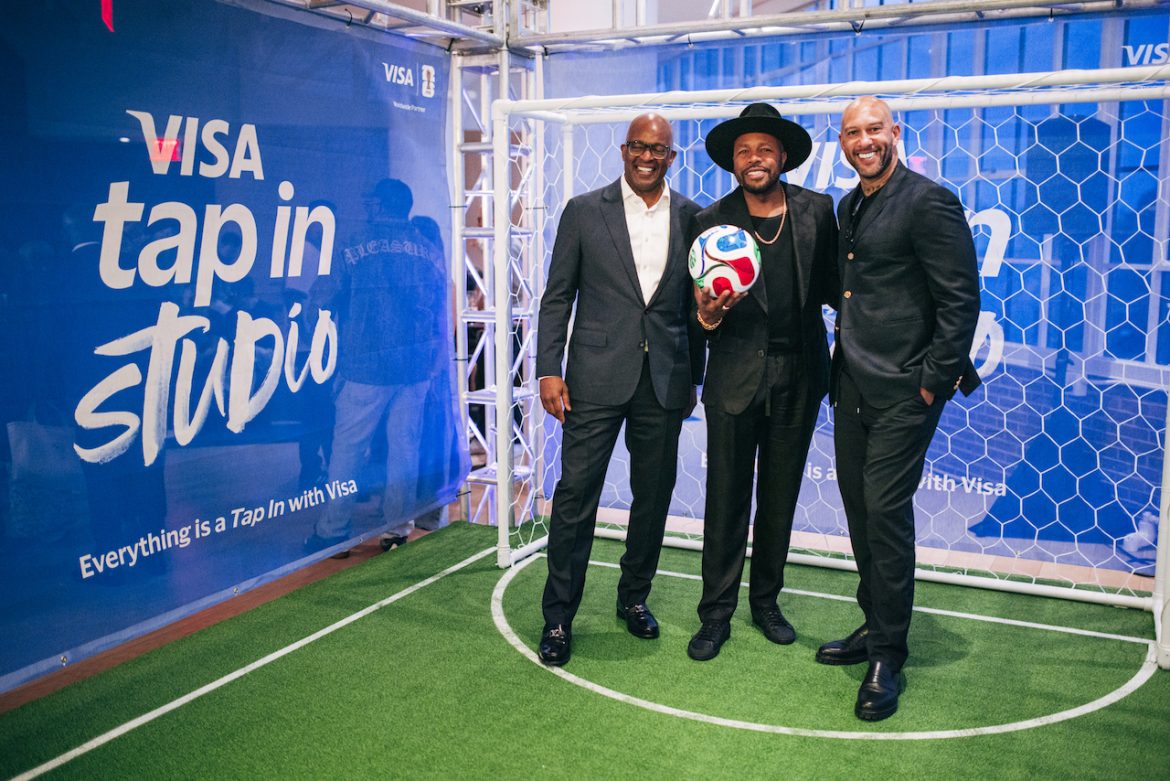
Visa’s “Tap In” initiative focuses on supporting small businesses and entrepreneurs in World Cup host communities, demonstrating how brands can create value beyond sponsorship visibility. At the same time, major brands are investing in multilingual content, diverse representation, and culturally relevant storytelling to connect with broader audiences. McDonald’s and Nike have their own campaigns that allow people from all over the world to be able to connect and relate to one another.
 For marketers, the lesson is simple. Consumers want brands that understand their communities, values, and experiences. For an event that is celebrated globally, it is important to take into account cultural contexts. Companies that build genuine connections will be the ones that stand out during the world’s biggest sporting event.
Final Thoughts
The 2026 FIFA World Cup is reshaping how brands approach marketing. From larger sponsorship opportunities and immersive brand experiences to digital engagement and community initiatives, the tournament is setting new expectations for how businesses connect with consumers. Even brands without a “World-Cup Budget” can learn from these strategies. The most successful marketing campaigns will be the ones that focus on creating exciting experiences, building those relationships, and engaging audiences in ways that feel authentic long after the final whistle.