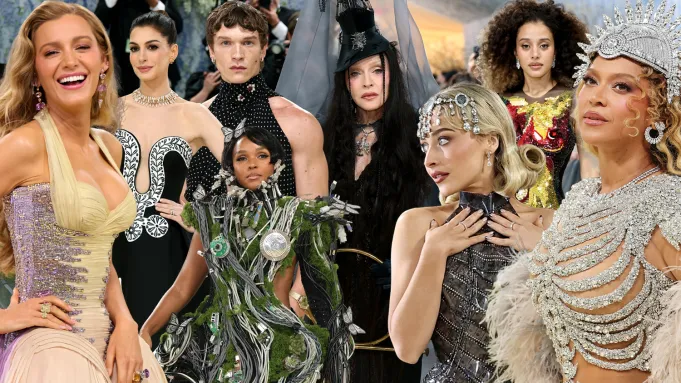
Every year, I watch the Met Gala transform from a simple red carpet into one of the biggest marketing moments in the world. Hosted at the Met and led by Anna Wintour, the event is a reminder that it’s about much more than fashion. This year’s 2026 Met Gala theme was “Costume is Art”. The Met Gala, traditionally the peak for fashion, art, beauty, and style, goes against the social norms that push boundaries and leads us to question the rules within society. It has become a way of learning through consumer engagement and staying culturally relevant in this new, moving digital world. What stands out to me most is how every year’s theme acts as the foundation for the entire event. In marketing, having a strong central message is what gives a campaign direction, and the Met Gala does this in a very unique way. Designers, celebrities, and brands all build around one idea, which makes the content easier for audiences to connect with, remember, and share online.
The Power of Influence and Experience
The Met Gala has started many conversations regarding the controversy behind it, although many critics believe there is fashion and creativity behind it there are some that believe there is more of a powerful influence behind it through the themes, celebrity influences, and wealth. With that being said, global celebrities like Zendaya and Bad Bunny, the Gala has also become one of the clearest examples of influencer marketing. Brands understand that aligning themselves with people who already have mas sive audiences instantly increases visibility and engagement. Every outfit becomes its own campaign, generating millions of views, reposts, reactions, and discussions across platforms like Instagram, TikTok, and X. It shows how modern marketing is no longer just about advertising a product. Instead, it’s about creating experiences and visuals that people emotionally connect with and want to participate in online. The Met Gala is able to create moments that the audience feels involved in such as sharing their thoughts on tiktok about their outfits or feeling engaged during an interview given even though they are only watching through a screen.
Scarcity and Relevance
 Another major marketing lesson from the Gala is the power of exclusivity and timing. The invite only nature of the event creates scarcity, which naturally increases demand and public interest. Brands often use this same strategy through limited product drops, VIP experiences, or exclusive collaborations to make consumers feel like they are part of something special. Timing also plays a huge role. The brands and com panies that gain the most attention are usually the ones that react in real time with creative social media content, memes, partnerships, or commentary while the event is trending worldwide. Consumers are constantly exposed to advertisements every day, so brands need to do more than simply promote a product. They need to create an identity or an experience that people genuinely want to engage with and remember long after the event is over, which has become difficult with our instant gratification from TikTok and low attention spans.
Some Previous Examples
Technology within the fashion industry has seemingly become more popular over the years, leading to more sustainability, helping shape the future, and helping distinguish the difference between technology and fashion. During the 2016 Met Gala, Manus x Machina underwent a way to reshape the possibility of the future within technology, innovation, and fashion. This theme itself displayed the continuous evolution of the Met Gala and how it reshaped the future of fashion. The 2017 Met Gala Rei Kawakubo/Comme des Garcons: Art of the In-Between also played a pivotal role in the advancement of technology because of Rei Kawakubo’s well-known designs of reconstruction and deconstruction. This led to designers using 3-D printing and laser cutting that helped stay on theme and was a new wave for innovation. During the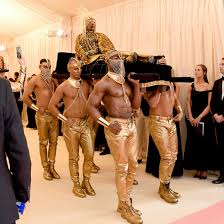 Camp: Notes on Fashion, Billy Porter, an actor, made an entrance by being carried by six shirtless men, while his outfit was a catsuit with wings. While staying in theme, this entrance gave the audience a powerful statement of queer representation. These examples show how strong the Met Gala is for pivotal change within our generation.
Final Takeaway
The Met Gala, having many themes plays a pivotal role in the everyday world; it allows for change within the future, social platforms, and allows for change within the fashion and art industry. Although many people love the Met Gala, it is clear that the fashion industry would lack vital moments in the world. Taking this into consideration, the Met Gala will always receive criticism for the enduring nature of challenging social norms. Without the Met Gala, there would not be any celebration for fashion and art, where it allows for commentary and criticism and sparks conversation on the themes. In today’s digital environment, speed matters because audiences move on quickly. Especially in this digital world, it is very important to stay relevant and not lose attention from the audience. Consumers are constantly exposed to advertisements every day, so brands need to do more than simply promote a product. They need to create a moment, an identity, or an experience that people genuinely want to engage with and remember long after the event is over. To win in marketing today, brands need to stop just selling products and start creating experiences that catch people’s attention, reflect opinions they care about, and make them want to be a part of something bigger.