Scroll through TikTok or Instagram for a few minutes and you’ll probably see creators sharing their favorite products, telling stories about their families, making jokes about their culture, or switching between English and Spanish without even thinking about it. For brands, these creators are doing more than creating content. They’re helping change the way brands tell stories. As Hispanic Heritage Month gives brands another opportunity to connect with Hispanic audiences, it’s also a good reminder that Hispanic culture isn’t something that should only show up in marketing once a year. Hispanic creators are helping brands bring culture, personality, and real experiences into their content in ways that traditional advertising sometimes can’t.
Culture Comes Naturally
 One of the biggest differences between traditional advertising and creator content is how culture shows up. A traditional ad might include a Spanish tagline, Hispanic actors, or a familiar cultural reference. A creator on the other hand can bring culture into the story simply by being themselves. Maybe they’re talking to their mom in Spanish. Maybe they’re making their family’s favorite recipe. Maybe they’re joking about growing up bilingual or sharing a tradition they learned from their grandparents.
These moments don’t necessarily feel like “cultural marketing.” They feel like real life. That’s what makes Hispanic creators so valuable to brands. They can show what a product or experience looks like through the lens of their own culture and community, rather than simply having culture added to an advertisement.
Representation Becomes More Personal
Representation in advertising has come a long way, but simply putting a Hispanic person in an advertisement doesn’t automatically make the content culturally relevant. Creators bring their own perspective and an existing relationship with their audience. When someone follows a creator because they relate to their humor, personality, culture, or experiences, that relationship doesn’t disappear when the creator works with a brand. In fact, the partnership can give the brand an opportunity to become part of a conversation that is already happening.
Think about the difference between a brand saying, “Hispanic consumers love this product,” and a creator saying, “My mom has been buying this since I was little, and here’s why we still use it.” The second story feels personal because it is personal. Representation is about who appears in the story. Cultural relevance is about whose perspective helps shape the story.
Spanglish Is a Storytelling Tool
For many bilingual Hispanic audiences, language isn’t simply one or the other. English and Spanish can naturally exist in the same conversation. A creator might start a video in English, throw in a Spanish phrase, and finish the thought in English without giving it a second thought. That kind of Spanglish can make content feel familiar to audiences who communicate the same way.
It also shows why Hispanic marketing shouldn’t always be reduced to translating an English advertisement into Spanish. Translation can communicate the words, but cultural context communicates the feeling. Creators understand this because they aren’t necessarily thinking, “How do I translate this?” They’re thinking, “How would I actually say this?” That distinction can make a big difference.
Hispanic Audiences Aren’t One Audience
Of course, there’s no single “Hispanic experience.” The Hispanic community includes people from many different countries, backgrounds, generations, and regions. A Mexican American creator in Arizona may have a completely different cultural experience from a Puerto Rican creator in Florida or a Colombian creator in New York. That’s why brands need to look beyond simply finding someone who “looks Hispanic.”
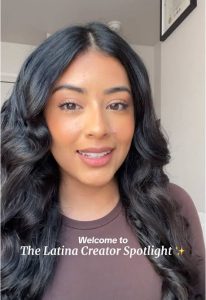 The right creator should make sense for the audience and the story the brand wants to tell. Their background, location, language preferences, personality, content style, and community can all influence how their audience connects with the content. This is where cultural insights become especially important. Instead of asking, “How do we market to Hispanic consumers?” brands can start asking more specific questions, Who are we trying to reach? What matters to them? How do they communicate? And who can tell that story authentically?
The Story Doesn’t End October 15th
Hispanic Heritage Month is a great opportunity to celebrate Hispanic voices, culture, and contributions. But Hispanic creators aren’t only relevant from September 15 to October 15. They’re part of the digital conversations happening every day. As audiences continue to look for content that feels personal, relatable, and real, creators are giving brands a new way to tell stories and Hispanic creators are bringing perspectives that deserve to be part of those stories year round. The future of multicultural marketing isn’t just about telling stories about Hispanic communities. It’s about creating space for Hispanic voices to help tell the stories themselves.