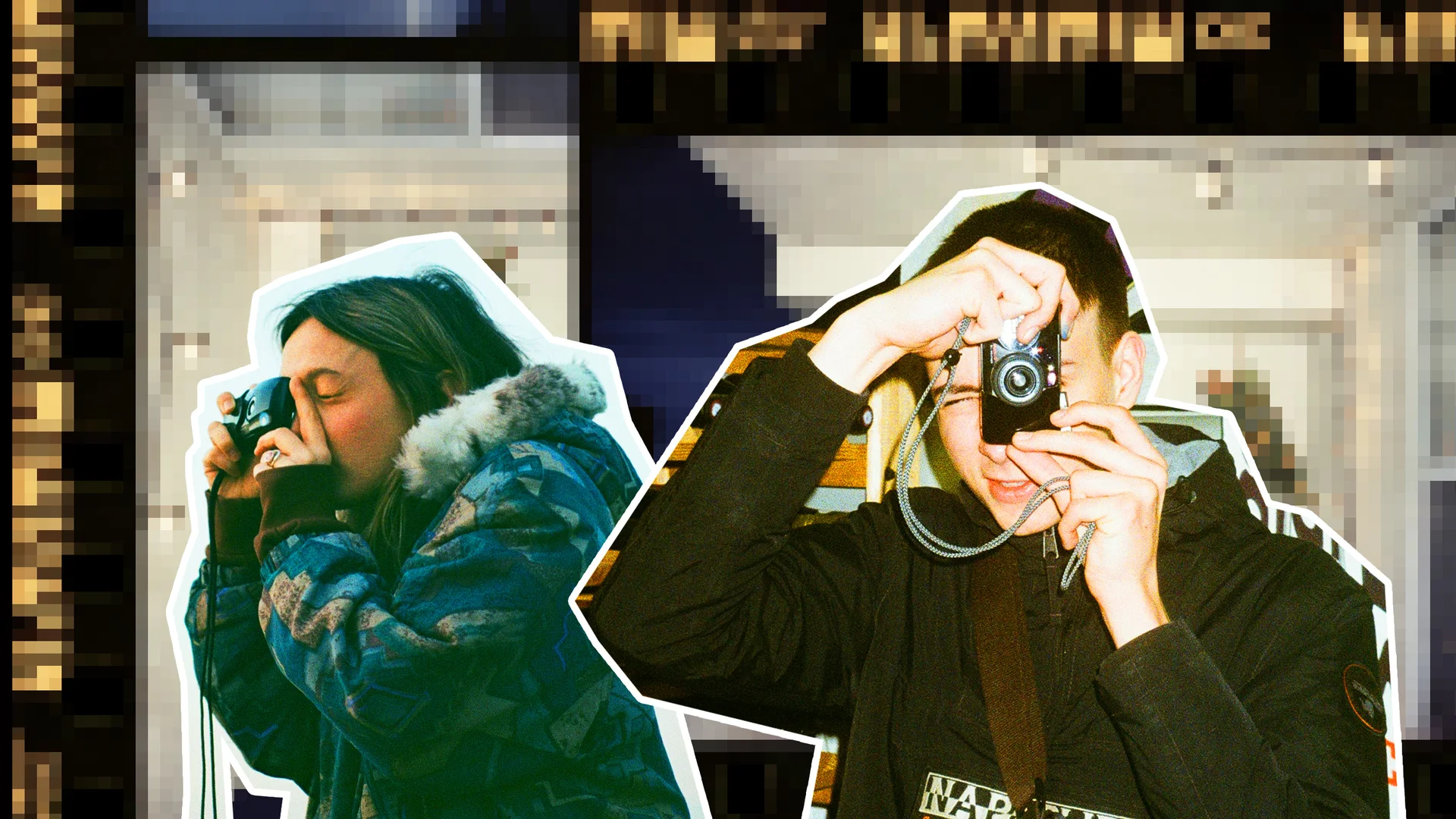
If you walk through a concert, a night out, or even a memorable weekend trip, you might notice something unexpected. Instead of relying on phones, Gen Z has started a trend of pulling out digital cameras and disposable film cameras. It is a bit surprising, since newer phones take such high-quality pictures; however, Gen Z is choosing those lower-quality photos and older cameras on purpose. For those choosing the digital cameras, capturing the moment goes beyond nostalgia. The comeback of digital cameras reflects a larger shift in how Gen Z wants to experience life, document memories, and interact with social media. It is less about taking the perfect picture and more about capturing the feeling behind it.
From Creating Content to Creating Memories
One of the most attractive features of a digital or disposable camera is the absence of notifications or distractions to take away from  being in the moment. Instead of taking time during an event tosee if the picture captured was “perfect,” digital camera users click their photo and check it later, leaving them to enjoy their experience in real time.
For years, social media encouraged us to think like content creators. Before posting a photo, we edited it, adjusted the lighting, cropped it, added a filter, and sometimes tried dozens of versions before deciding which one was “good enough.” It became normal to view everyday moments through the lens of how they would look online. That mindset has begun to change. Gen Z is growing tired of performing for social media and is leanng towards imperfection showing realism and personality in their daily lives.
Why Imperfection Suddenly Feels Refreshing
Unpredictability is one of the main reasons digital cameras have taken the spotlight from today’s phones. Every photo is a little different; sometimes the lighting is too bright, someone might be blinking, or maybe the flash washes everything out. Those imperfections are exactly what make the images feel authentic; it is meant to be an intentional photo since taking an infinite and quick amount of shots is not an option. Instead of a staged, thought-out picture, digital cameras capture a moment in time, giving the photo an “airy, floaty, and ethereal” story.
For years, social media rewarded polished aesthetics. Influencers built perfectly coordinated feeds, brands invested heavily in flawless visuals, and editing apps made every image look professionally produced. Today, audiences are responding differently. Blurry concert photos, grainy vacation snapshots, flash photography, and slightly overexposed images often receive just as much engagement because they feel genuine. They remind people of how a moment actually looked and felt instead of how it was carefully recreated. Perfection has become expected, but authenticity has become memorable.
Nostalgia is Only Part of the Story
Nostalgia is only a part of the transition to using digital and disposable cameras. Many Gen Z consumers have fond memories of looking through family photo albums filled with digital camera pictures from birthdays, holidays, and vacations. Those images carry an emotional warmth that polished phone photos sometimes lack.
At the same time, this generation is embracing an era theybarely experienced themselves. In this day and age, everything is instant. Digital cameras represent a slower way of documenting life. They encourage delayed gratification because you cannot instantly edit every image or upload them within seconds. Being able to take the time to enjoy the experience before uploading content feels refreshing.
What Brands Should be Paying Attention to
For brands paying attention to this trend, it is so much more than cameras. It is a reminder that audiences are becoming increasingly selective about the content they engage with. Consumers are exposed to thousands of polished advertisements every day. What stands out now is not necessarily higher production quality; it’s honesty. Brands that consistently show raw, behind-the-scenes moments, employee stories, community events, customer experiences, and authentic interactions often build stronger relationships than brands that rely solely on perfect, polished campaigns.
That does not mean professional content is completely going away. There will always be a place for beautiful photography and high-quality production. The difference is that consumers now expect to see the people and stories behind the brand, too. Authenticity is no longer a bonus; it has become part of the expectation for consumers.
The Big Picture
The return of digital cameras is a reflection of something bigger happening in today’s culture. People are craving experiences that feel real. They are looking for ways to slow down, be more present, and document life without constantly thinking about algorithms, engagement, or aesthetics.
For marketers, this trend serves as an important reminder that the most successful campaigns are not always the ones with the biggest budgets or the most polished visuals. They are usually the ones that make people feel something relatable and authentic.