Horror movies have a special talent for getting people talking before they even step into a theater. From creepy trailers and mysterious movie posters to viral marketing stunts that make people question what is real, horror films know how to turn curiosity into excitement. While other genres often rely on star power or big action sequences to sell tickets, horror movies can build an entire marketing campaign around one feeling, fear. But what makes horror marketing so effective? It comes down to psychology, social media, and the fact that audiences love being scared together.
Fear Is the Hook

One of the biggest advantages horror movies have is their ability to create an emotional reaction almost immediately. A disturbing image, an unexpected noise or a few seconds of suspense can make someone stop scrolling and pay attention. Unlike a trailer that reveals an entire storyline, effective horror marketing often leaves audiences with more questions than answers. What was hiding in the background? Why did that character disappear? What happens when the lights go out? That uncertainty creates curiosity, and curiosity encourages people to seek out more information. Instead of explaining everything about a movie, marketers can use mystery to make audiences want to discover the answers for themselves. This is especially effective on social media, where short videos and unexpected visuals compete for attention. A horror teaser that unsettles viewers in five seconds can be more memorable than a traditional advertisement that spends a minute explaining why a movie is worth watching.
When Marketing Becomes Part of the Scare
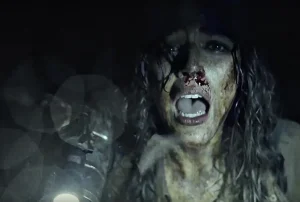
Horror marketing doesn’t always stay on movie screens. Some of the most memorable campaigns blur the line between a movie’s fictional worlds and reality, making viewers feel like they were part of the experience. Take The Blair Witch Project (1999), for example. Its marketing campaign used a documentary style approach, mysterious websites, and materials presenting the fictional story as if it involved real missing filmmakers. At a time when the internet was still relatively new, the campaign encouraged audiences to investigate the mystery themselves. Rather than simply promoting a movie, it gave people a story to debate.
 More recently, Smile (2022) created real world buzz by placing people with unsettling smiles at baseball games and public events. Cameras captured their expressions and the resulting images spread online. The promotion worked because it brought the movie’s central concept into everyday life, turning an ordinary public appearance into something viewers wanted to share. Both campaigns demonstrate an important marketing lesson on the experience surrounding a movie can become just as interesting as the movie itself. When viewers feel like they have discovered something unusual, they are more likely to discuss it, post about it, and encourage others to pay attention.
Social Media Turns Fear Into Free Publicity
Horror movies are practically designed for social media. Jump scares, shocking endings, disturbing scenes, and unexpected plot twists give viewers plenty of reasons to react online. Platforms such as TikTok, Instagram, and Youtube allow those reactions to become part of a movie’s promotion. People post their theater reactions, explain confusing endings, share theories, and challenge friends to watch particularly frightening scenes. Each post can introduce the movie to another audience without the studio having to create an entirely new advertisement.
The conversation can also continue long after opening weekend. A movie with a surprising ending might inspire weeks of theories and debates. Viewers who have already seen it may revisit scenes while people who haven’t watched it yet become curious about what everyone is discussing. Of course, horror marketing has to balance curiosity with spoilers. Giving away too much can rain the experience, but revealing just enough to spark questions can encourage audiences to buy a ticket. This is where horror was a natural advantage. People often want to experience the fear themselves rather than simply hear someone describe it.
The Power of Making Fear Shareable
Horror movies also benefit from the social side of being scared. Watching something frightening with friends can make the experience more entertaining because people have someone to laugh, scream, or hide behind. That shared experience creates opportunities for marketing. Friends want each other to see the scariest movie, couples plan horror themed dates, and groups share their reactions after a screening. Even though people who aren’t particularly interested in horror may decide to watch a movie because they want to participate in the conversation. 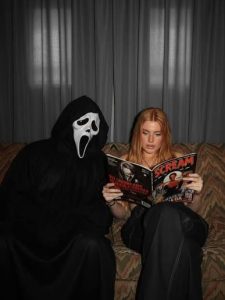
The same idea explains why horror themed attractions, immersive experiences, and halloween events can attract so much attention. People are not only paying for a scary story, they’re paying for an experience they can remember and talk about afterward. For marketers, this is an important distinction. A successful campaign doesn’t always need to convince someone that a product is good. Sometimes, it needs to convince them that the experience is worth sharing.
Why Horror Marketing Works So Well on a Budget
Another reason horror marketing stands out is that it doesn’t always require the enormous budgets associated with blockbuster action films. A clever concept can be more valuable than an expensive production. An unsettling poster or a real world stunt can generate attention if it gives people something interesting to discuss. A perfect example of this is Obsession (2025). The genre also benefits from strong audience expectations.
Horror fans already understand the appeal of suspense, mystery, and the unexpected. A campaign can use familiar elements of the genre while introducing a news twist that makes a certain film stand out. This doesn’t mean every low budget horror campaign will succeed. The idea still needs to connect with the movie, reach the right audience, and feel distinctive enough to earn attention. But horror demonstrates that creativity and audience participation can sometimes accomplish what a much larger advertising budget cannot.
The Final Scream
Horror movies have turned fear into one of the entertainment industry’s most recognizable marketing tools. By combining suspense, curiosity, creative storytelling, and shareable experiences, they give audiences reasons to talk about a movie before, during, and after its release. The biggest lesson isn’t that every brand needs to scare its customers. It’s that marketing becomes more powerful when it gives people an emotional reason to pay attention. Because sometimes, the most effective ebay to sell a story isn’t to reveal what’s hiding in the dark. It’s to make everyone curious enough to look.