Have you ever spent $8 on a coffee when you could have made one at home for less than a dollar? You’re not alone. From specialty lattes to luxury skincare and designer clothing, consumers regularly pay more for products that offer something beyond the item itself. Sometimes, it’s the experience. Other times, it’s the brand, the feeling it creates, or the lifestyle it represents. So, why are we willing to pay more for something we could get for less? The answer goes beyond the product. It’s about how branding influences the way we perceive value.
More Than a Coffee
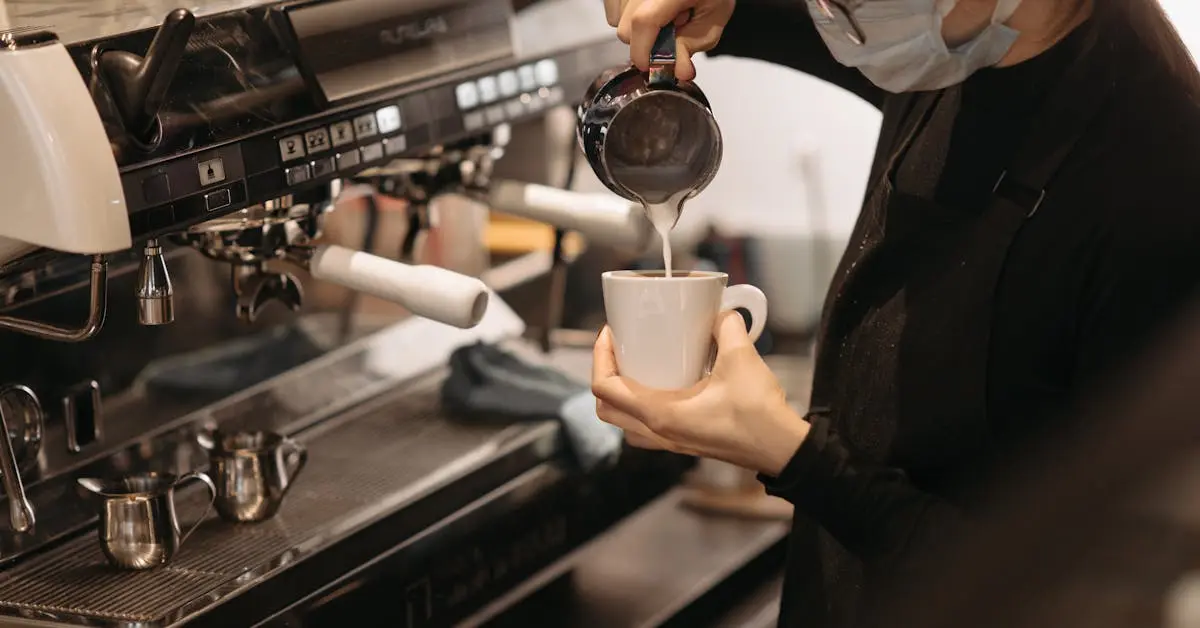
The difference between grabbing a basic cup of coffee at a gas station and ordering a customized latte at your favorite coffee shop is the occurrence. Both give you caffeine, but the experiences feel completely different. One might be a quick stop on the way to work, while the other involves a beautifully designed space, an aesthetically pleasing cup, your favorite music, and a drink 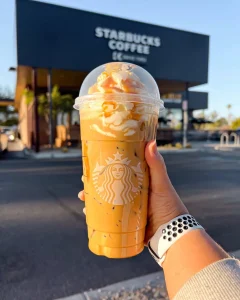 made exactly how you like it. Suddenly, coffee becomes more than a beverage and becomes part of your routine. This is where branding comes in. Brands such as Starbucks have built an identity around personalization and the familiar experience of visiting their stores. Customers aren’t necessarily paying $8 just for espresso and milk. They’re also paying for the atmosphere and feeling associated with the brand. When a company successfully creates an experience that customers enjoy, its product can feel more valuable, even when similar alternatives cost less.
The Psychology Behind Paying More
Branding can influence how we think about price. A higher price doesn’t always mean a product is better, but the way a product is presented can shape our expectations of its quality and value. Here are three ways brands encourage consumers to justify spending more.
- Emotional connections make products feel personal.
People often develop attachments to brands that remind them of a memory or make them feel good. Your favorite coffee order might remind you of weekend mornings with friends or serve as a small reward after a stressful day. When a purchase has emotional meaning, comparing prices becomes less important. You’re no longer choosing between two identical products. You’re choosing the experience you associate with one of them.
- Branding turns ordinary products into lifestyle choices.
Some brands sell more than what their products do. They sell what using those products says about you. For example, Apple’s sleek product designs, Nike’s connection to athletic achievement, or the way luxury fashion brands associate their products with exclusivity. Their marketing helps customers connect products with a particular identity or set of values. The same idea applies to coffee. Your favorite drink might represent your personal style or even the kind of lifestyle you want to have.
- Familiarity builds trust.
When consumers recognize a brand and know what to expect, choosing it can feel easier than trying something unfamiliar. Consistent packaging, recognizable logos, reliable experiences, and positive past interactions all contribute to that familiarity. Even if another coffee shop offers a cheaper drink, you might return to your usual spot because you already know you like it. That sense of trust becomes part of the value you’re paying for.
How Brands Make Expensive Purchases Feel Worth It
 The $8 coffee effect isn’t limited to coffee shops. It appears across industries, from beauty and fashion to travel and hospitality. A skincare product packaged in a minimalist glass bottle, a hotel that welcomes guests with personalized service, or a restaurant that makes an ordinary dinner feel like a special occasion. The product or service matters, but so does everything surrounding it. Brands can increase perceived value through several strategies.
Packaging and design: Thoughtful visuals can make products feel more premium and memorable.
Storytelling: Sharing a brand’s purpose, inspiration, or history can give customers a reason to connect with it.
Personalization: Custom options can make customers feel that a product was designed specifically for them.
Exclusivity: Limited releases and special editions can make products feel more desirable.
Customer experience: Helpful service, convenience, and memorable interactions can make a purchase feel worthwhile.
When these elements work together, brands can create a product experience that customers see as worth the extra cost.
However, perceived value isn’t the same as actual quality. Strong branding can influence expectations, but a brand still needs to deliver on its promises to maintain customer trust.
Social Media Makes the $8 Coffee Even More Appealing
 Social media has added another layer to the way consumers experience brands. A beautifully presented latte, a trendy café, or a limited edition drink can become part of the content people share online. Platforms such as TikTok and Instagram allow brands to turn everyday products into highly shareable experiences. A colorful drink or a picture perfect café can attract attention because it looks appealing on a screen, not just because it tastes good. This creates an opportunity for brands to market more than their products. They can create moments customers want to photograph, post, and share with others. It also helps explain why certain coffee shops become popular destinations. Customers may visit because they enjoy the drinks, but they might also want to try a viral menu item or share their visit with their followers. When customers voluntarily create and share content about a brand, they can introduce it to new audiences through their own experiences and recommendations. Of course, not every consumer buys something because it’s trending. But social media can influence what people notice, what they desire, and what they consider worth trying.
What Marketers Can Learn From This Effect
The biggest lesson is that customers don’t always choose the cheapest option. They choose the option that offers the most value to them. That value might come from convenience, quality, emotional connection, personal identity, or the experience surrounding a purchase. Successful branding helps customers understand what makes a product different and why that difference matters. For marketers, this means that competing on price alone isn’t always the answer. Businesses can build stronger connections with their audiences by understanding what customers care about and creating experiences that reflect those priorities. It also highlights the importance of consistency. If a brand promises premium quality but delivers a disappointing experience, customers may decide that the higher price isn’t justified. Branding can encourage a first purchase, but the actual experience often determines whether customers return. The most effective brands don’t simply convince people to spend more. They give people a meaningful reason to choose them.
So, Is An $8 Coffee Really Worth It?
That depends on the person buying it. For someone who enjoys the taste, atmosphere, convenience, and routine, an $8 coffee might feel like a worthwhile treat. For someone who only wants caffeine, a less expensive option might make more sense. Neither choice is automatically right or wrong. The interesting part is how differently we value the same basic product depending on the brand and experience attached to it. The next time you order your favorite drink or splurge on a product you love, think about what you’re actually paying for. Is it the product itself, the convenience, the feeling, or the brand behind it? You might discover that the real product isn’t always what’s inside the cup. Sometimes it’s the experience that makes you come back for another one. And for marketers, that’s the real power of branding.